

Welcome to the modern office, where trends change more quickly than the signal strength on your Wi-Fi while on a Teams call. Even though the epidemic is now far behind us, its effects are still being felt in our workplaces. One of these is the phenomena known as the 'hushed hybrid,' which is a subdued opposition to the forced return to office (RTO) campaign.
If you're not familiar with the newest jargon used in the workplace, 'hushed hybrid' describes covert, informal arrangements that permit workers to work from home more often than the company's formal policy may indicate. These agreements are made between management and staff. Consider it the business version of a discreet handshake.
Office vs. Home Debate
In 2020, the world becomes more remote, and all of a sudden, getting to your kitchen only takes ten seconds on foot. In the present day, numerous businesses are making efforts to draw everyone back in. The issue? Frequently, the justification for RTO is reduced to a weak 'because I said so.' It's similar to your parents encouraging you to eat your veggies but without providing an explanation. As everyone knows, that worked very nicely.
Welcome to the Age of Silent Resignation
The emergence of 'quiet quitting' preceded the term 'hushed hybrid' becoming popular. As a tacit protest against their employers' lack of regard and recognition, workers felt devalued and unacknowledged and did what was necessary to get by. It was a wake-up call: the days of unquestioned loyalty were over. The workforce realized their worth and the power of their goodwill.
The Silent rise of Hushed Hybrid
Now, let’s dive into the hushed hybrid phenomenon. While some firms are unyielding in their RTO commitments, individual managers are taking a more subdued approach. More and more, they are allowing their personnel to work from home, placing a higher priority on productivity, morale, and staff retention than tight policies.
This pattern isn’t surprising anymore. For good reason, there is a decline in trust in top management. Why should workers support an office presence when the case isn't supported by indubitable, fact-based benefits? especially in light of the pandemic's evidence that distant work didn't lower productivity.

Office Presence: Myth vs. Reality
Everybody has run into the "office wanderers" , those colleagues who seem to spend more time chatting by the water cooler than at their desks. Productivity is not the same as being there in person. Before the epidemic, some even really worked from home on some of their most scrutinized workdays, where every task was questioned. However, there have been many occasions in the workplace when casual discussions have trumped productivity.
The Argument in Favor of Flexibility
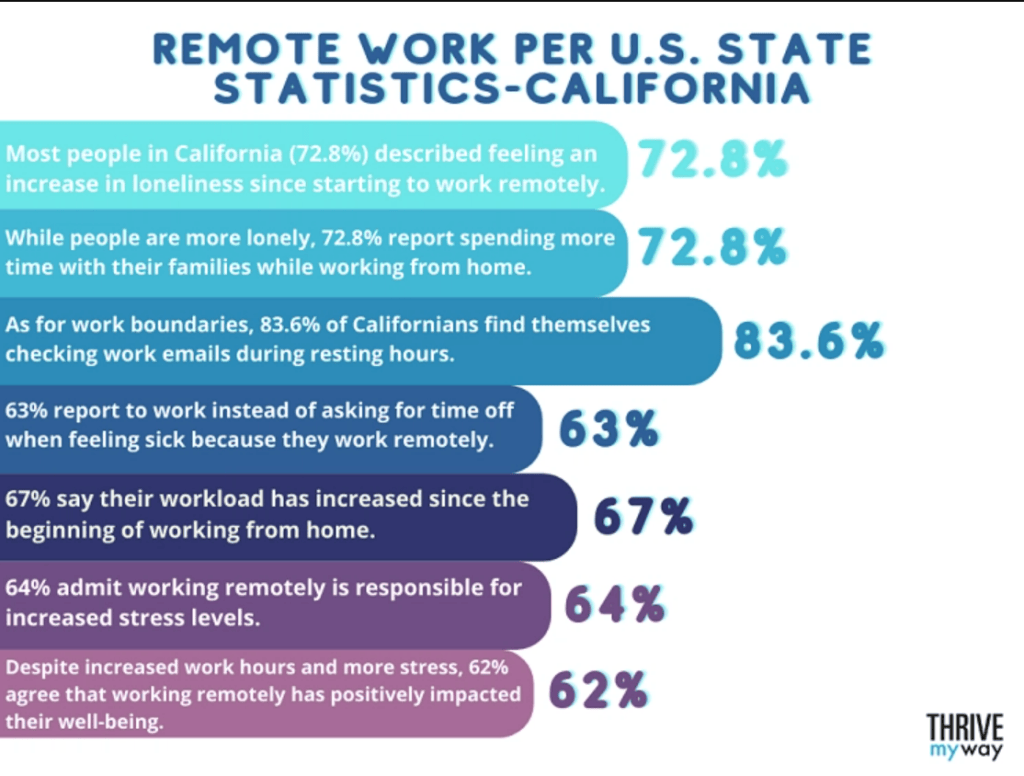
You got it, Forbes: being present does not equate to productivity. It's time to stop focusing on the location of work and instead concentrate on the real accomplishments. Recruiting and management should prioritize results over appearances. Does it really matter whether someone works from a busy café or their living room as long as they are producing results?
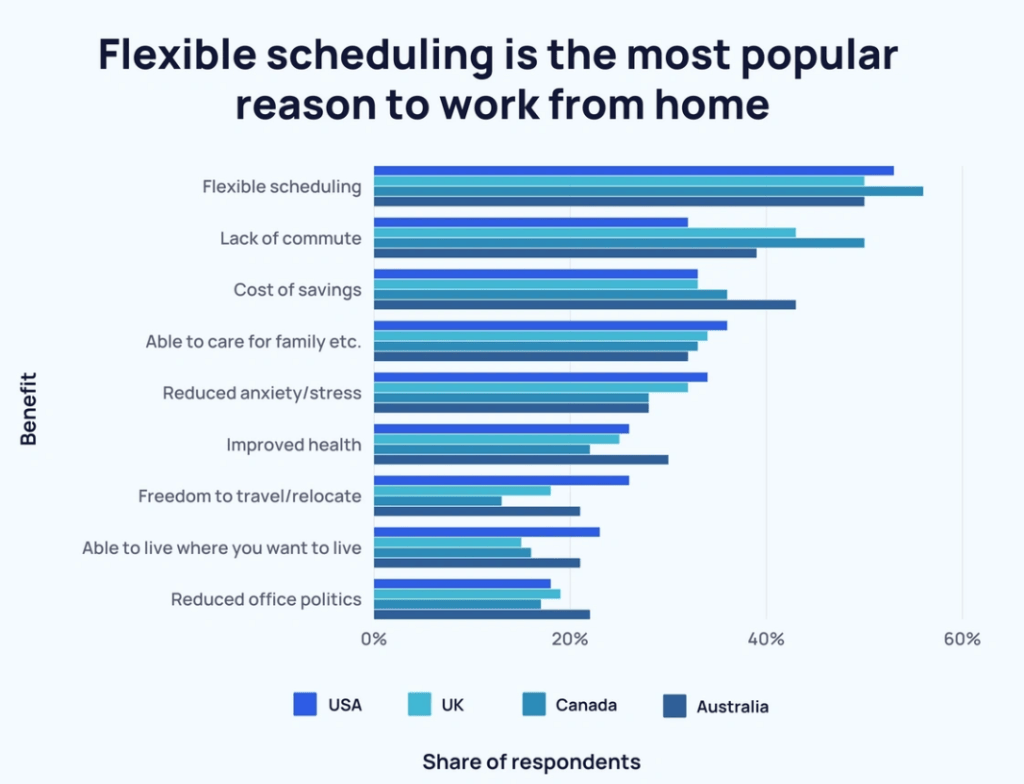
Silent hybrid tactics are being adopted by certain managers in an effort to increase productivity and retention. It's a wise decision. Top talent is easier to attract and keep for employers who use remote or hybrid work methods. Furthermore, let's face it, not every modern office promotes productivity. Open-plan workspaces are great for brainstorming sessions, but they're terrible for concentrated, in-depth work.
The Real Irony & What Truly Matters
For years, as new management fads upset long-established routines, staff members were advised to welcome change. Yet, when the pandemic forced a genuine shift that benefited workers, many leaders couldn’t wait to revert to old practices. The irony is evident and speaks volumes about the true priorities within organizations.
Ultimately, getting the work done should be the priority. Trends like hushed hybrid reveal that the push for office attendance isn’t about productivity – it’s about control. Imagine if the time and resources spent enforcing attendance were redirected towards tackling real issues like bullying, harassment, and discrimination in the workplace.
Managers don’t flout company policies without reason. If they’re quietly supporting remote work, it’s likely because they see it as the best way to meet their goals. It’s high time senior leaders open their eyes to this reality. Embracing flexibility and focusing on genuine productivity over mere presence could lead to more significant improvements in employee satisfaction and organizational success.
A Call for Real Change
The quiet hybrid trend suggests a change in the mindset of the workplace. It’s a subdued but effective protest against outdated concepts of productivity linked to physical presence in the office. As we proceed, let's keep in mind what really counts: the caliber of the work, the welfare of the workforce, and establishing an atmosphere where everyone can succeed—whether that be at the office or in the comfort of their own homes.