

You! Yes, you over there. Scrolling through this article, probably sitting at home in your comfiest pyjamas, sipping on that perfectly brewed homemade coffee. Be honest, you’re multitasking, aren’t you? Logged in but also catching up on some much-needed ‘me time.’ And while you’re here living your best hybrid life, your boss is likely at their office desk, scratching their head and wondering why things haven’t gone back to “the good ol’ days.”
But here’s the reality: no matter how much traditionalists wish otherwise, the hybrid work model is no passing trend. It’s thriving, and it’s reshaping how work gets done.
This survey by All Things Talent paints a compelling picture and the results might challenge some long-held assumptions.
Productivity Isn’t About Where You Work!
In this survey done on the Naukri App, jobseekers were asked where they feel most productive - at the office, at home, or in a hybrid setup? The results were telling. 50% of the total 26,971 jobseekers who answered, chose hybrid or WFH.
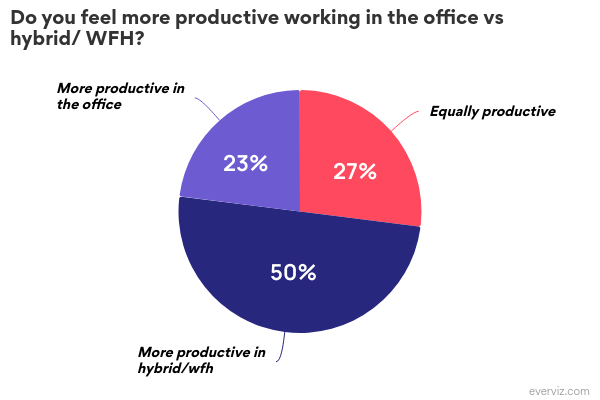
That is a significant number of people thriving in their comfortable, flexible setups. Meanwhile, only 23% backed the traditional office setting, and 27% took the middle ground, saying location does not really matter.
This challenges the assumption that the buzz of the office coffee machine somehow boosts productivity. For many, it is the quiet of their homes or even a well-timed Netflix break that helps them get into their groove. Productivity is not about being near a manager’s desk; it is about finding a rhythm that works best for each person. Clearly, that rhythm does not always live in the cubicle.
Hybrid Isn’t a Fad; It’s the Future
Here’s where things get really interesting: a significant 46% of 30k jobseekers believe that hybrid and WFH setups are here to stay for the long haul. Add another 17% who are on board but expect a few tweaks along the way, and it becomes clear that hybrid work has the overwhelming support of the workforce. Even among the 30% who have already returned to office life, only a tiny 7% think the traditional 9-to-5 office grind will ever make a full comeback.

Honestly, convincing everyone to embrace a full-time office routine again is about as successful as convincing the world that pineapple belongs on pizza. Sure, there are a few die-hard enthusiasts, but the majority? They’re not buying it. Employees are making it clear that balance and flexibility are the way forward.
Finding the Right Balance in Hybrid
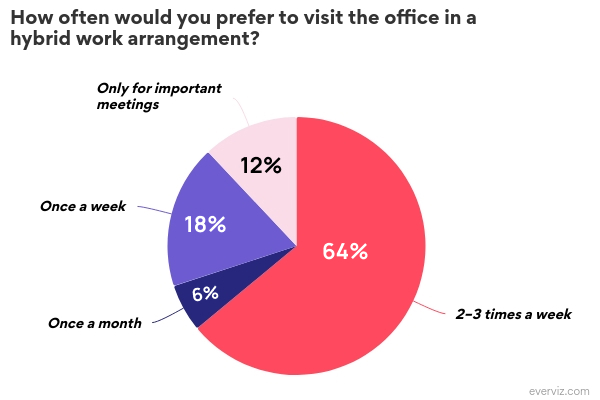
Now, what does the ideal hybrid setup look like? The survey results point to a sweet spot: 64% out of the 22,916 of employees prefer going to the office two or three times a week. It’s the perfect middle ground, a schedule that keeps team connections alive without dragging people back into the grind of a daily commute.
Interestingly, 6% say once a month works for them, while 12% would rather only step into the office for those big, important meetings. These numbers reveal something important: most employees value the chance to collaborate in person, but they also want to retain the flexibility that hybrid work offers.
It’s a balance that resonates with so many people. It’s not too much, not too little, but ‘just right’ what many like to call the Goldilocks approach to work. This setup lets employees choose their ideal work environment, blending the benefits of flexibility and collaboration. Hybrid work offers just enough structure to ensure productivity without the suffocating rigidity of old-school office routines. It’s no wonder it’s quickly becoming the gold standard for modern workplaces.
The Hybrid Hiccups
Like everything in life, hybrid work isn’t without its challenges. Sure, it has plenty of perks, but the All Things Talent survey sheds some light on the bumps in the road. Around 32% of the 30k employees feel a bit out of the loop, struggling to stay connected with their teams. For 20%, managing work-life balance has become tricky, as the lines between “office” and “home” blur. Another 11% admit it’s hard to stay motivated when working remotely, while 7% point to inadequate tools as a major frustration.
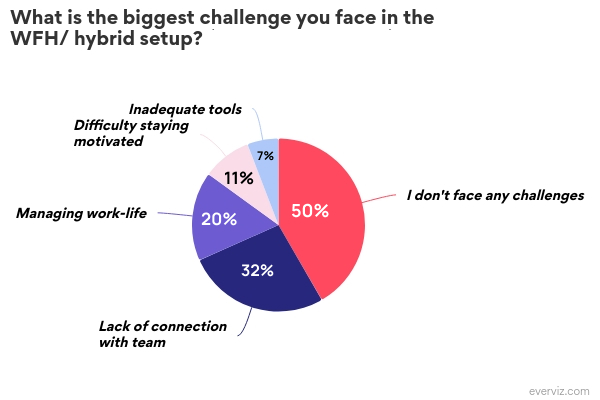
Despite these hurdles, a solid 50% of respondents say they don’t face any challenges at all. Half of the workforce seems to have found their groove, proving that with the right resources and a bit of adaptability, hybrid work can run like clockwork.
Why CEOs Need to Embrace the Change
Some argue that hybrid work weakens company culture or stifles innovation, but the reality suggests otherwise. Forcing everyone back into the office won’t suddenly spark collaboration or creativity. In fact, it risks alienating a workforce that has already proven its ability to thrive and deliver results outside traditional office walls.
The answer lies in flexibility. Companies that embrace a hybrid model are more likely to attract and keep top talent. On the other hand, rigid return-to-office policies will only send employees running to more forward-thinking employers.
The message is clear: flexibility isn’t just a nice-to-have anymore, it’s a must-have. Leaders who ignore this risk falling behind in a world where work-life balance is no longer optional but essential.
Hybrid is the Future of Work
Hybrid work isn’t just a new rule, it’s a whole new way of thinking about work. It understands that people don’t need to be glued to a desk from 9 to 5 to get great results. It’s about trust, flexibility, and recognising that everyone works differently.
Hybrid is here to stay! It’s the perfect balance, keeping employees happy while driving business success. And it’s a proven theory that happy employees are productive employees.
So, adapt to the hybrid way, embrace the change, and thrive. Because clinging to old ways? That’s how you end up in an empty office wondering where everyone went.