

The recruitment game in 2024 is changing faster than ever, and a big player in this transformation is none other than Artificial Intelligence. Recruiters are now looking beyond traditional resumes and are leaning towards candidates who are savvy with AI and digital skills. It's all about those digital competencies now!
According to the latest Artificial Intelligence Index Report from Stanford University, India is leading the charge globally when it comes to AI skill penetration. In fact, it's ranked among the top 4 countries in terms of relative AI hiring rates. That's quite a feat, right?
But hold on, there's another side to the AI coin. Some folks are calling it the 'job killer'. A report from the International Monetary Fund shook things up by suggesting that about 40% of jobs could be at risk due to AI implementation in the workplace. This especially hits harder in advanced economies where jobs tend to be more cognitive-intensive.
Despite the fears, there's a growing consensus that we need to adapt and evolve with AI rather than resist it. We reached out to industry experts from Philips, Sabre, and Acuity Knowledge Partners to get their take on this hot topic.
Rajive Choudhary, Director - Software Engineering, Sabre, added his valuable inputs on the transformative potential of AI in the workplace.
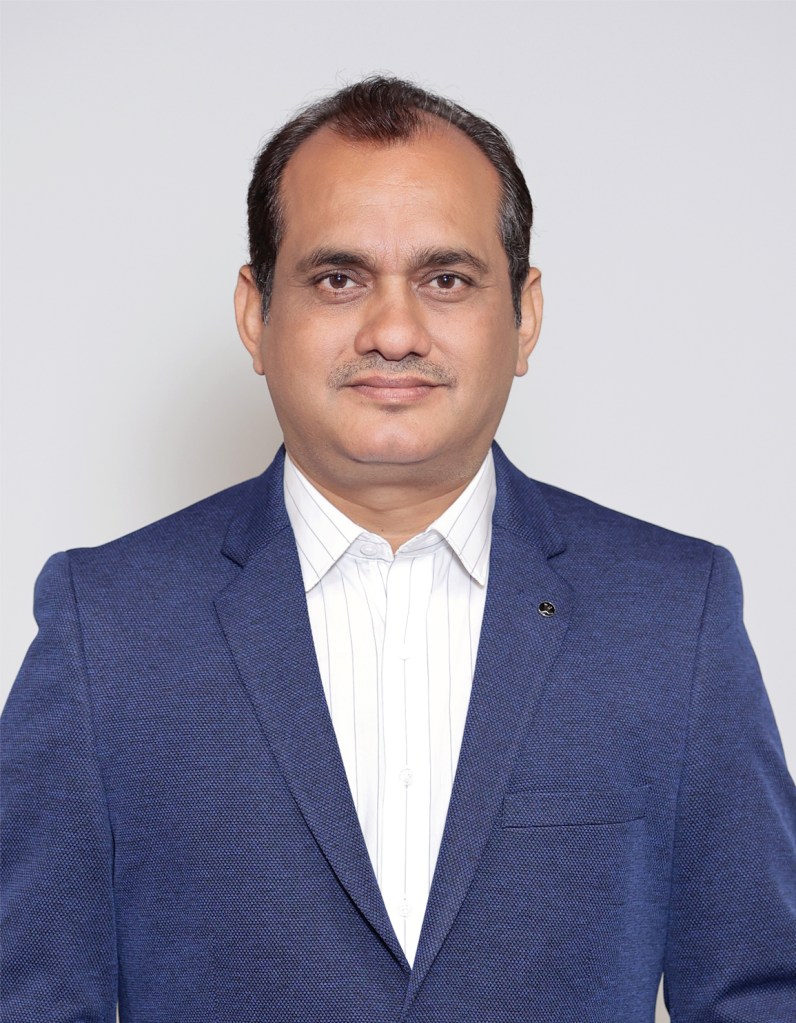
“While concerns about job loss and automation persist, AI offers a unique opportunity to reimagine work, focusing on collaboration and data-driven insights.”
“AI can eliminate bias by making decisions based on data rather than personal opinions, promoting a fairer work environment. It also facilitates human-AI collaboration, enabling more complex tasks like predictive aircraft maintenance, which reduced flight delays by over 7% in 2023.
"Further, a study by Deloitte suggests that predictive maintenance using AI can reduce unplanned downtime by up to 40%. This translates to significant cost savings and improves operational efficiency across various industries. AI's integration in industries like aviation shows how it can enhance safety and efficiency by analyzing diverse data sources.”
Rajive also emphasised that while we embrace AI, ethical and societal challenges must be addressed. Ensuring privacy, preventing algorithmic bias, and maintaining transparency in AI processes are essential to building trust.
Ultimately, AI doesn't replace human potential—it amplifies it. By automating routine tasks and offering data-driven insights, AI can make work more meaningful and productive. The challenge lies in harnessing AI to foster a future where humans and AI collaborate to achieve greater heights of creativity and productivity."
For Ajit Ashok Shenvi, Head of Data & AI CoE, Philips Innovation Campus - Bengaluru, AI will not replace humans but humans with AI will replace humans without AI.

"What is happening with AI right now also happened with agricultural revolution, the industrial revolutions and the initial days of computerization."
Geoffrey Hinton (godfather of deep learning) famously stated in 2016 – “society should stop training radiologists, that it was obvious radiologists would be replaced by software in the next five years”. Today in 2024, we are decades away from being even remotely close to this prophecy. On the contrary the shortage of radiologists/doctors is one of the biggest challenges in the healthcare world.
Ajit maintains, from the time AI has started becoming mainstream, we come across many of these qualms. Let me give an example from our actual experience – a decade back when AI was still in its infancy, we had developed an AI model that could analyse Chest Xrays and detect number of anomalies including TB. There was lot of push back from very senior Radiologists with fears manifesting in forms of accuracy/precision of the results etc. But the intent was never to replace the doctor but to assist her to screen the huge volumes of patients so that she could focus on critical patients. Life is already very difficult for professionals like her, who need to read 100s of X-rays daily with the same level of granularity – whether they are normal or abnormal. Moreover, human fatigue and monotony can lead to mistakes and errors. AI models integrated in her workflow can identify abnormalities stacking the risky cases higher in the review order. In other words, AI can be “the intelligent” assistant augmenting the expertise of the radiologist, enhancing their productivity, allowing them to cater to many more cases than what they would do normally. They could spend the time gained in more complicated, creative, future looking advanced development tasks.
As Dr. Curtis Langlotz (Professor of Radiology, Medicine at Standford) puts it -- 'AI won't replace radiologists, but radiologists who use AI will replace those who don’t.’
“At Philips, we believe the value of AI is only as strong as the human experience it supports. That’s why we combine the power of AI with deep clinical knowledge to create solutions that integrate into the workflows of healthcare providers and the daily health routines of people”.
The same argument holds good for any professional – be it software developers, bankers, etc. GenAI has democratized AI – in a sense that the previously niche area accessible to super skilled data scientists, ML engineers is now open to all. In other words, has AI has elevated a software engineer to be able to develop sophisticated AI enabled solutions.
In summary, AI will automate all mundane laborious tasks, and the people will get more bandwidth to harness their potential on advancing their respective professions to new levels. AI will also break siloes enforcing collaborations amongst industries to provide personalized solutions (e.g., Healthcare and Computer science)
Vimal Singh, Global Head of Recruitment at Acuity Knowledge Partners emphasized on looking beyond the fears associated with AI.
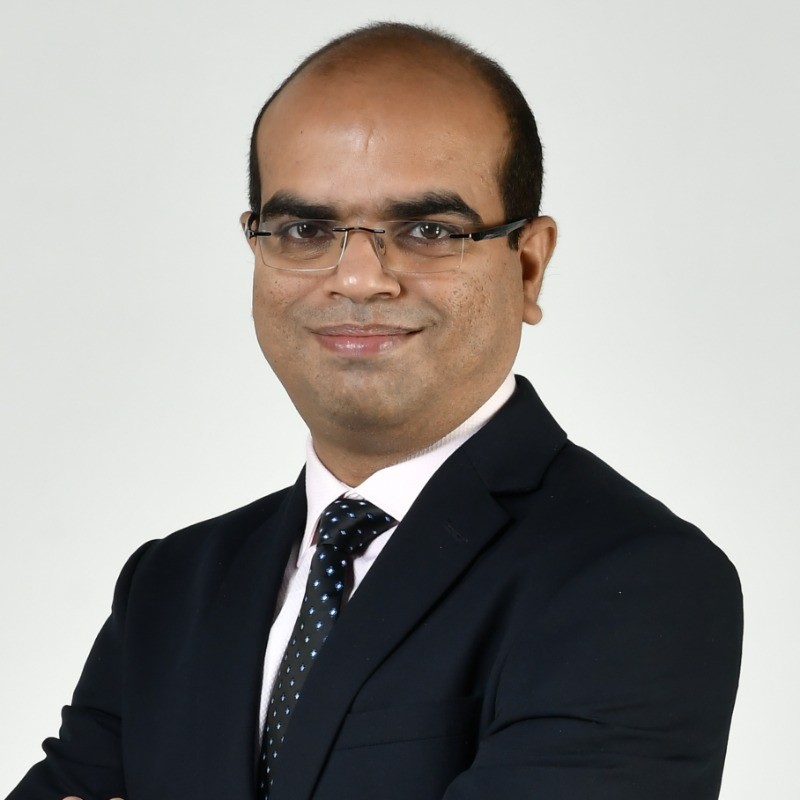
“At the heart of the AI dilemma lies a question that stirs the modern workforce – will AI be an indication of job extinction or a catalyst for human potential? A recent report from the International Monetary Fund cast a stark light on the future, predicting that AI will irrevocably alter the landscape of 40% of jobs. Yet, to view AI through the narrow lens of job displacement is to overlook the vast possibilities it presents. The binary approach of AI 'killing jobs' fails to recognise the symbiotic evolution that it brings to emerging markets and developing economies. AI is a force to be reckoned with and not battled."
Vimal finally emphasizes the importance of integrating AI into our work ethics.
It is a tool that, when wielded with human insight, can elevate our capabilities to unparalleled heights. As we stand at the precipice of this technological revolution, we must evolve with AI, integrating it into the fabric of our work to enhance our creativity, productivity, and problem-solving competence. The narrative should not be about the jobs that AI will replace but about the new realms of human potential it will unlock.
As stated by Karim Lakhani, a professor at Harvard Business School: “AI is not going to replace humans, but humans with AI are going to replace humans without AI.”