

 Witty Sparks
In today's digital landscape, the integration of Artificial Intelligence (AI) into various industries has become paramount for driving innovation, productivity, and competitiveness. Organizations worldwide are recognizing the transformative potential of AI and prioritizing the recruitment of AI-skilled talent to stay ahead in the evolving market. This emphasis on AI skills is particularly pronounced in India, where employers are tapping into the benefits of AI adoption while simultaneously grappling with a significant skills gap in the workforce.
New research from Amazon Web Services (AWS) reveals the potential of AI skills to boost salaries in India by over 54%. However, despite its importance, 79% of employers struggle to find AI talent, indicating a significant skills gap.
AWS commissioned a study titled "Accelerating AI Skills: Preparing the Asia-Pacific Workforce for Jobs of the Future," surveying 1,600 workers and 500 employers in India to understand AI trends and skill needs.
The findings show that 97% of workers believe AI skills will positively impact their careers, with strong interest across generations. Additionally, employers anticipate a 68% increase in productivity with AI-skilled workers.
While the benefits are clear, bridging the AI skills gap requires collaboration between industries, academia, and government to ensure the workforce is ready for an AI-driven future.
How Organizations are Tapping into AI Skills
The rapid advancement of AI technology has prompted organizations across India to embrace its potential across diverse sectors. From IT and research and development to finance, sales, marketing, and beyond, companies are increasingly integrating AI-driven solutions into their operations. This widespread adoption reflects a strategic shift towards becoming AI-driven organizations, with a vision to enhance efficiency, streamline processes, and unlock new avenues of growth.
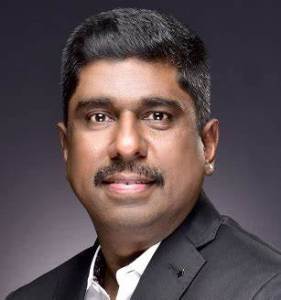 Sathesh Murthy, MD & Engineering Head, RingCentral
"The field of AI is evolving rapidly, leading to a significant increase in demand for professionals skilled in AI, Big Data Analytics, and Data Science over the past 3-5 years. At RingCentral, we are actively addressing this talent acquisition challenge by implementing robust upskilling and reskilling programs. We believe that nurturing our employees' growth and keeping them trained with the latest AI trends is key to fostering a strong AI ecosystem."
Sathesh states that, attracting and retaining top AI talent in this competitive market requires more than just attractive compensation.
AI skills play a crucial role at RingCentral. Our proprietary platform, RingSense, uses conversational AI to extract valuable insights from conversation data. Additionally, we use AI to coach sales agents and it's an integral part of our unified cloud platform, enabling businesses to achieve new levels of productivity, agility, and customer experience. As we democratize AI across our organization, we're witnessing its transformative power - from intelligent call routing and real-time analytics to predictive forecasting and hyper-personalized engagements. This AI-driven transformation is enhancing operational efficiencies and redefining how we create value for our customers.
We prioritize hiring top AI talent and development to continue leading in AI-driven innovation. We believe that government, industry, and academia must collaborate to scale AI skilling initiatives, and we're committed to contributing to this collective effort.
Arunava Bhattacharjee, SVP & Global Head of Talent Supply Chain, Birlasoft

Recognizing the challenges of securing top AI talent in today's competitive market, at Birlasoft, we have implemented a multi-faceted strategy. This includes strategic upskilling and reskilling initiatives, as well as partnerships with industry leaders such as Microsoft for our Generative AI Center of Excellence (CoE), alongside collaborations with other OEMs like SAP, AWS, ServiceNow, Salesforce, and Google for certifications in new-age technologies.
"By developing a comprehensive curriculum that nurtures creative thinking, we have successfully trained over 12,000 employees in GenAI, driving innovation in emerging technology domains. Additionally, our NextStep initiative includes partnerships with institutions like IIM Calcutta for specialized Executive Programs on Business Analytics (EPBA) and Data Science, with recent success as 70 leaders graduated from the program."
Arunava also emphasizes the need of upskilling the employees.
"We recruit individuals with identified adjacent skill sets, provide upskilling and deployment opportunities through our standardized Hire Train & Deploy (HTD) framework. This ensures a steady supply of niche skills within our workforce. Moreover, we prioritize continuous education and growth through programs like Skillfolio and collaborations with learning platforms like Coursera, ensuring our workforce remains future ready. This approach not only addresses immediate talent acquisition challenges but also positions our employees for sustained success in the ever-evolving technology landscape."
Bridging India’s AI Skills Gap: A Mission-Critical Endeavor
Closing the AI skills gap in India is essential for unlocking the full benefits of AI and ensuring the country's competitiveness. According to research, 96% of employers prioritize hiring AI-skilled talent, but 79% struggle to find the right people. Additionally, 91% of employers lack knowledge on how to run AI training programs, and 86% of workers are unsure about AI-related career paths.
Leaders like Sathesh Murthy from RingCentral and Arunava Bhattacharjee from Birlasoft highlight the significant growth in demand for AI talent in recent years. Murthy emphasizes the rapid evolution of the AI field, resulting in increased demand for professionals skilled in AI, Big Data Analytics, and Data Science over the past 3-5 years. Similarly, Bhattacharjee acknowledges the challenges of securing top AI talent in today's competitive market, indicating a notable surge in demand for AI expertise. This growth-centric perspective underscores the pressing need for organizations to prioritize upskilling and reskilling initiatives to meet the escalating demand for AI skills in the workforce.
Accelerating Digital Skills Training Across India
To confront the AI skills gap head-on, concerted efforts are required to accelerate digital skills training initiatives across the country. AWS's commitment to training more than 5.5 million individuals in cloud skills since 2017 is commendable, yet more needs to be done to equip the workforce with AI-related competencies. The 'AI Ready' initiative launched by Amazon in November 2023 is a step in the right direction, offering free AI and generative AI training courses to empower individuals from diverse backgrounds to acquire AI skills.
Strategies for Bridging the AI Skills Gap
- Collaboration Between Industry and Academia: Establishing robust partnerships between industry leaders and educational institutions is crucial for aligning academic programs with the evolving needs of the workforce. Internship programs, joint research initiatives, and mentorship opportunities can facilitate a seamless transition from education to employment, ensuring that graduates possess the requisite AI skills demanded by employers.
- Upskilling and Reskilling Initiatives: Recognizing the value of investing in existing talent, companies can implement upskilling and reskilling programs to empower their workforce with AI-related competencies. By providing employees with opportunities to acquire new skills, organizations not only address the skills gap but also foster loyalty, engagement, and retention among their staff.
- Promoting Diversity and Inclusion: Emphasizing diversity and inclusion in AI talent acquisition is essential for building a robust and innovative workforce. By embracing a diverse range of perspectives and backgrounds, organizations can cultivate a culture of creativity and innovation while simultaneously addressing the shortage of skilled professionals in the AI domain.
- Online Learning Platforms: Leveraging online learning platforms and Massive Open Online Courses (MOOCs) can democratize access to AI education and provide flexible learning opportunities for individuals seeking to acquire AI skills. These platforms offer a wealth of resources, including courses taught by industry experts, enabling learners to stay abreast of the latest advancements in AI technology.
In conclusion, bridging the AI skills gap in India requires a multifaceted approach that encompasses collaboration, education, and empowerment. By embracing these strategies and fostering a culture of lifelong learning, India can position itself as a global leader in AI innovation, driving sustainable growth and prosperity for its workforce and economy.