


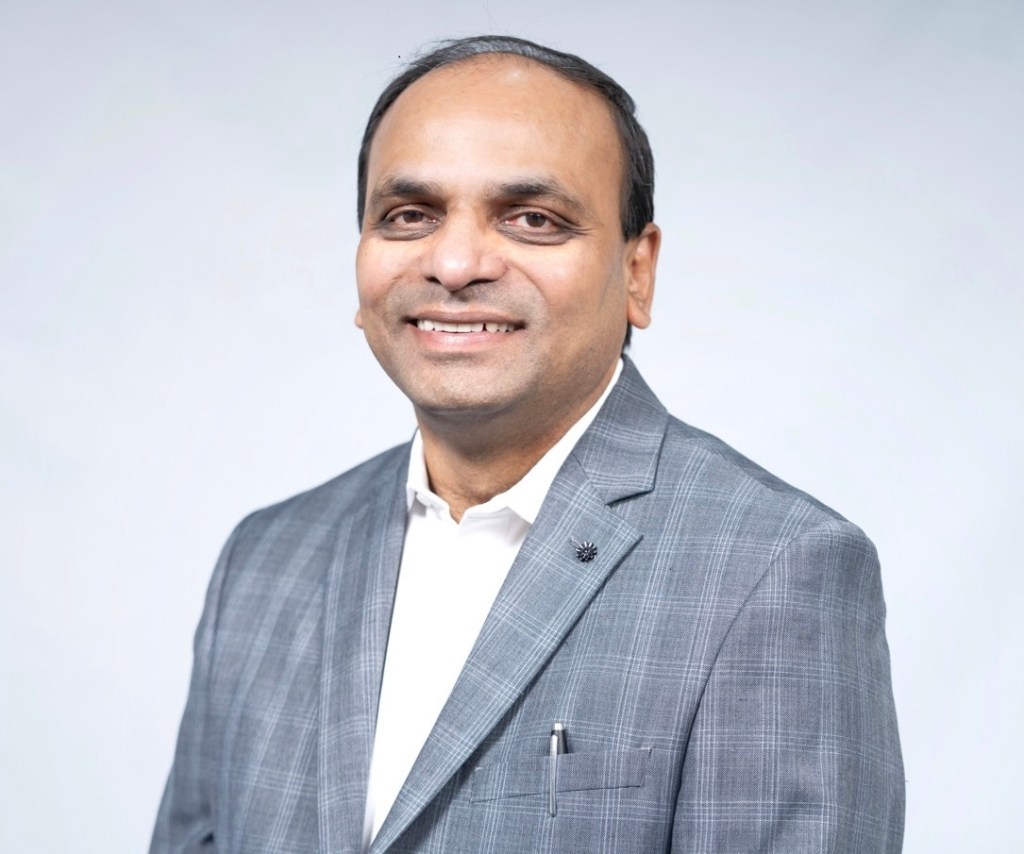
 SV Kiran, CEO, Apollo Health Resources Limited (AHRL)
In an exclusive interview with All Things Talent, SV Kiran, CEO of Apollo Health Resources Limited, reveals the organisation’s innovative blueprint for navigating the challenges of healthcare talent acquisition in 2023. Here, we explore Apollo's unique strategies to overcome global talent scarcity.
Could you provide a summary of the business developments in India and describe the evolution of talent observed at Apollo?
Apollo, with a history spanning 40 years, is a comprehensive healthcare organisation, involved in every aspect of the healthcare industry except pharmaceutical manufacturing. Previously, we operated Apollo Munich Life Insurance, which was later sold to HDFC ERGO. However, we continue to engage in the insurance sector, notably through our insurance brokerage firm, FHPL Family Health Plan Insurance. Our operations extend to manufacturing and a variety of hospital support services, including housekeeping, GDA, and FMB services. While we don't directly provide security services, we collaborate with partner firms for this need.
We take pride in our diverse and dynamic talent pool, ranging from housekeeping staff and security guards to highly skilled doctors specialising in robotic surgery. This wide range of job roles, each contributing directly or indirectly to patient care, is a testament to our commitment to healthcare excellence. We ensure that our employees are well-trained, with their skills regularly assessed and enhanced to meet the stringent demands of patient care across our 72 hospitals. Our focus remains steadfast on maintaining high competence and delivering exceptional healthcare services.
Also read: This Healthcare Startup Will Hire 300 Professionals Within Next 6 Months
With such a diverse range of talent in your organisation, what are some significant challenges you encounter in terms of retention and recruitment?
Currently, there's a notable global shortage of healthcare talent, with acute deficits in regions like the US, UK, and Australia. Unlike other sectors with a surplus of manpower, healthcare in India also faces a chronic shortage across all levels. To address this, we've launched a new division, Global Workforce Development, under my leadership as CEO. This initiative aims to enhance healthcare education and training facilities, thereby increasing the workforce. We're committed to showcasing the rewarding opportunities in healthcare, emphasising the importance of preventive health and modern medical practices for quality, risk-free treatments.
Our strategy involves sourcing talent directly from educational institutions, providing training and certification, and then deploying them both domestically and internationally. This creates a comprehensive training-to-deployment pipeline. As healthcare becomes increasingly specialised and localised, the need for skilled professionals to operate advanced medical equipment grows. By creating global opportunities, we aim to maximise the potential of healthcare talent and meet the rising international demands effectively.
Our approach involves conducting manpower studies to determine optimal staffing levels, enhancing productivity per employee, and ensuring appropriate compensation. This strategy includes a mix of salaries and benefits, offering overall attractive incentives. As a result of this philosophy, we've seen significant progress in the last three to four years. Today, our compensation ranges are competitive, sometimes even surpassing market standards.
Does your strategy to bridge the talent supply-demand gap stem from the challenges experienced during the pandemic?
Our strategy to address the talent supply-demand gap in healthcare extends beyond the challenges posed by the pandemic. Globally, there's a recognised shortage of healthcare professionals, as evidenced by World Health Organization standards on optimal ratios of nurses and doctors per population. This gap predates the pandemic, with factors like demographic shifts towards organised living, increased health insurance coverage, and heightened awareness of preventive healthcare. These trends have amplified the need for more healthcare professionals even before COVID-19, which subsequently intensified the focus on preventive health.
Is this the reason behind your initiative to recruit college graduates, enhance their skills, and then integrate them into the global workforce?
Yes, precisely. Out of the 50,000 postgraduate medical professionals, only half remain in India, with the rest going abroad. To address this, we're exploring postgraduate programmes in collaboration with international universities, involving study both in India and abroad. This ensures mutual recognition of qualifications and increases the talent pool. The recent global recognition of India's National Medical Council by the World Federation for Medical Education (WFME) is a significant step. It accredits existing and new medical colleges, empowering our graduates to pursue careers worldwide. Our long-term goal is to skillfully train 100,000 graduates annually.
Also read: Learning Accounts for More Than 50 to 60% of Our Overall Budget: Saurabh Deep Singla, upGrad
How do you address the issue of brain drain, where talented professionals trained in India choose to work overseas, potentially exacerbating the talent shortage in India?
Addressing brain drain effectively involves creating attractive opportunities within India. Our chairman's initiative of annually recruiting doctors from the UK to India is a prime example. Approximately 20% of our UK-certified doctors have returned to work with us. For nursing, we envision a similar model. By enabling nurses to work in countries like the US, UK, or Australia, they acquire advanced skills. When they return to India, they elevate the nursing standards in our hospitals. This approach fosters a global exchange of talent and skills, enhancing healthcare standards both domestically and internationally.
Is there a stipulation requiring skilled professionals to work in India for a certain period before they are eligible to work abroad?
Yes, there is a requirement. Professionals who wish to work abroad must first complete a minimum of one year of service with us. This minimum duration increases with the level of experience. For those aiming to work in the Middle East, the required period is even longer. Such policies not only boost the economic status of these individuals through enhanced earnings but also contribute to the economy through inward remittances until their return, benefiting the socio-economic status of their families and enhancing the country's healthcare talent pool.
How are emerging technologies influencing the healthcare sector in general, and Apollo specifically?
In healthcare, technology is constantly evolving, with knowledge exchange forums playing a crucial role. These include domestic conferences and continuing medical education programmes. Emerging trends include a focus on preventive health and home-based care, such as doorstep sample collection and report delivery via apps. Apollo, for instance, uses the Apollo 247 app for data-driven clinical decision-making, storing patients' medical histories, reports, and pharmacy needs in one comprehensive, accessible platform. This approach exemplifies how technology is reshaping healthcare delivery and patient care.
With intense competition for talent in healthcare, have you noticed any significant changes or transitions in talent demand over the last few years?
The Indian healthcare market, despite the influx of providers, continues to see a high demand for care, leading to a shortage of facilities. A notable shift is that organisations are increasingly focusing on retaining talent by offering further academic training and career growth opportunities. This includes succession planning and diversifying work opportunities. Compensation levels have risen, recognising the need to adequately reward caregivers. Additionally, benefits like ESOPs, which were previously rare in healthcare, are becoming more common. This evolution reflects a move from a less organised to a more professionally-driven sector, focusing on long-term planning and organisational structure.
Could you provide insights into the trends in healthcare compensation over the past two decades?
Over the last 20 years, salaries in healthcare roles have approximately tripled. This isn't an exaggeration; it's a reflection of the significant changes I've observed throughout my career in this sector.
Professionals who wish to work abroad must first complete a minimum of one year of service with us. This minimum duration increases with the level of experience. For those aiming to work in the Middle East, the required period is even longer. Such policies not only boost the economic status of these individuals through enhanced earnings but also contribute to the economy through inward remittances until their return, benefiting the socio-economic status of their families and enhancing the country's healthcare talent pool.
Do you anticipate further increases in healthcare salaries in the coming years?
Yes, there will likely be an increase. To illustrate: if we look at the career paths of both a doctor and an engineer from the same class, an engineer can complete their degree and potentially an MBA in the time it takes a doctor to finish their MBBS, a 5 1/2-year course including internship. Initially, a new MBBS graduate's salary in a non-government sector is about Rs 40,000-50,000 per month, while an entry-level engineer earns around Rs 60-70,000. As the doctor pursues postgraduate specialisation, an engineer with an MBA gains experience and can earn around Rs 3-4,00,000, compared to the doctor's Rs 1,00,000. Over the last two decades, this disparity has led to a decrease in medical seat applicants. For nurses, the situation is similar; despite being primary caregivers, their salaries are lower than entry-level positions in other sectors. Therefore, raising salaries in healthcare to match other industries is essential to attract and retain talent, driving compensation increases across the sector.
What are the challenges in improving compensation in the nursing sector?
The primary challenge is affordability. Increasing patient charges to cover costs isn't feasible. Setting up a healthcare facility involves significant expenses, including land, building, and mostly imported machinery, which incurs taxes and duties. Also, doctors' compensation needs to be competitive due to their limited earning lifespan. Balancing these expenses while paying nurses adequately is difficult in a low-margin business like healthcare. Additionally, there's a common perception that healthcare should be free, making it challenging to balance costs and still achieve financial stability.
How has Apollo's compensation structure evolved in recent years?
To enhance the compensation structure at Apollo, we've focused on aligning with industry norms over the past four to five years. Our approach involves conducting manpower studies to determine optimal staffing levels, enhancing productivity per employee, and ensuring appropriate compensation. This strategy includes a mix of salaries and benefits, offering overall attractive incentives. As a result of this philosophy, we've seen significant progress in the last three to four years. Today, our compensation ranges are competitive, sometimes even surpassing market standards. This approach has been instrumental in attracting and retaining top talent, complemented by our nurturing, family-like work culture, which many have dedicated over 30 years.
Also read: Assured Growth, Compensation, and Inclusivity: A Retention Strategy of Future
In what ways has the updated compensation structure at Apollo been effective in drawing new talent to the organisation?
A lot of new talent will come and join an organisation if they think that they have adequate learning opportunities. To really learn the tricks of the trade right and grow faster. So there's a huge amount of work that we have done on L&D and then we continue to do and you'll see the huge changes in the next one year where we pick up every job type and create a learning and growth curve.
We are also giving abroad job opportunities. If I join Apollo, if I want to go abroad, I will get adequately trained here at Apollo in India and then through global workforce development. I'll go abroad. So my career is safe both in India and abroad. I don't want to go abroad. I can continue to work with Apollo.
What types of talent and skills is Apollo targeting for recruitment in the near future, and how is hyper-specialisation shaping your hiring strategy?
In the coming years, Apollo's recruitment strategy encompasses a wide spectrum of healthcare professionals. This includes nursing staff, junior doctors, paramedics, and administrative roles, along with continuous hiring in areas such as housekeeping and General Duty Assistant (GDA) positions. A notable trend we're adapting to is the hyper-specialisation in healthcare services. This necessitates hiring individuals with specific skill sets that have been honed during their college education or through experience gained at other healthcare facilities. Our aim is to cater to the growing demand for specialised patient care. This approach to hiring is closely aligned with Apollo's Global Workforce Programme, which we regard as one of our most significant initiatives this year. The programme is instrumental in shaping our recruitment process, ensuring that we onboard talent that is not only skilled but also specialised in their respective fields, thereby enhancing our service quality and patient care standards.
About the author: Dr. S V Kiran, the Senior Vice President and Head of Human Resources at Apollo Hospitals, has had a distinguished career in HR across various healthcare organisations, including Medanta, Fortis, and Takshashila.