

Imagine entering the vibrant hubbub of an Indian street market — colours bustling around you, the air filled with the tantalising aromas of spices and street food, and a symphony of sounds from vendors calling out their wares to the bustling crowd. The excitement is palpable. Just as a seasoned guide can transform your market experience from bewildering to enriching, a well-crafted onboarding process can make all the difference in the corporate world. In India, where the job landscape is as diverse and dynamic as its bazaars, effective onboarding isn’t just a nicety — it’s a necessity.
In the rapidly evolving corporate landscape of India, effective onboarding has emerged as a critical strategy for boosting employee morale and retention. According to a study by SHRM, when a company has great onboarding 69% of employees are likely to stay for at least 3 years. With the Indian workforce featuring a dynamic mix of generational, cultural and professional diversities, tailored onboarding processes are more important than ever. Let’s delve into the specifics of how well-structured onboarding processes can make a significant difference in Indian organisations, supported by relevant strategies and insights from both global and local studies.
Why Warm Receptions Matter
In today’s competitive landscape, companies are always striving for an edge. While factors like innovation and efficiency are crucial, a surprising secret weapon is often overlooked: hospitality. Yes, creating a welcoming environment for new team members isn’t just about courtesy – it’s a strategic move with a significant impact on your bottom line.
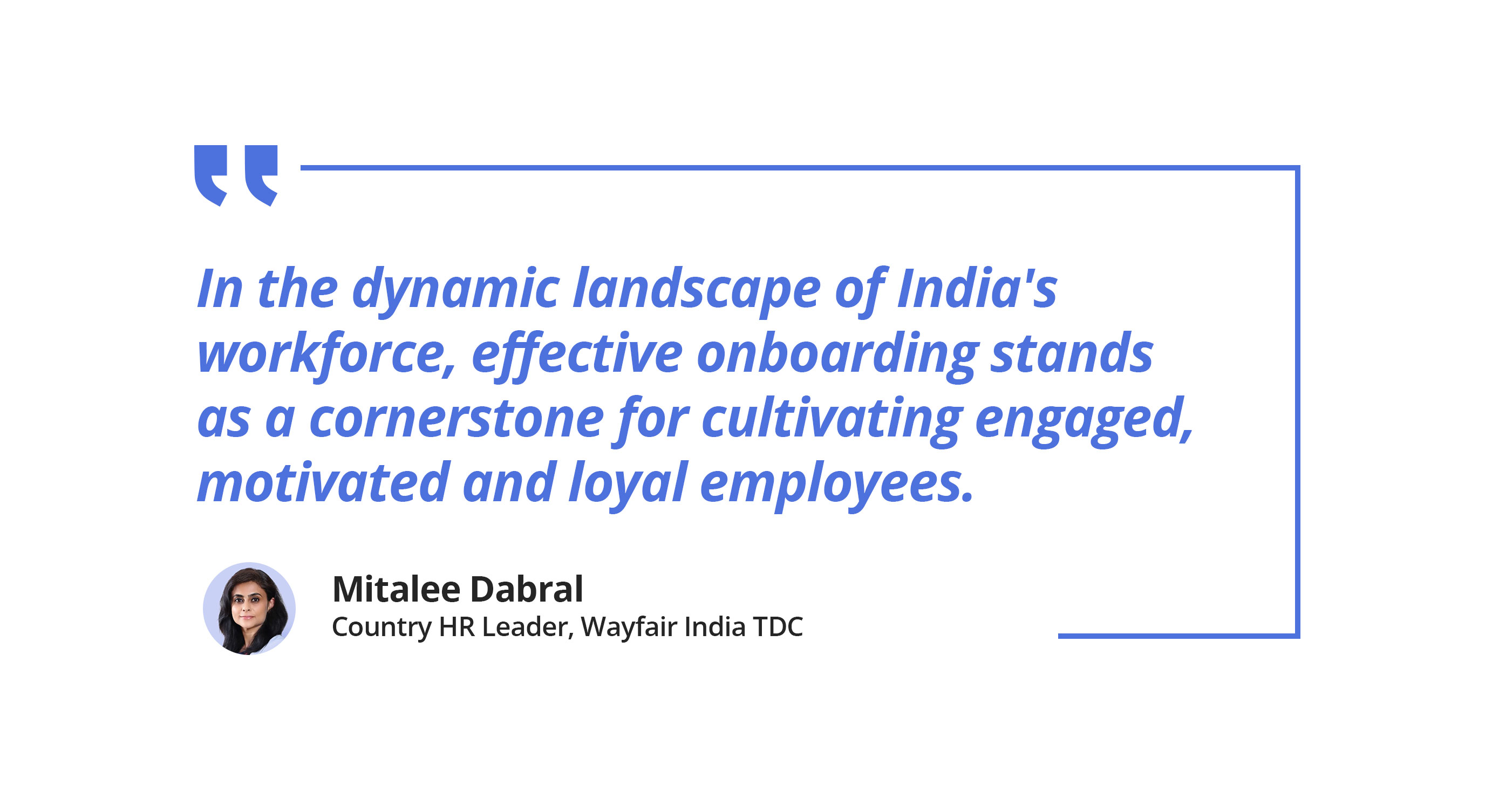
Mitalee Dabral, Country HR Leader at Wayfair, a global online retailer, emphasises, "In the dynamic landscape of India's workforce, effective onboarding stands as a cornerstone for cultivating engaged, motivated and loyal employees. It is a profoundly transformative process that transcends mere orientation, establishing a solid foundation for long-term success.” But dynamism hinges on several key factors, including the following:
- Psychological Safety: A warm reception fosters a sense of psychological safety within the team. This allows members to take risks, share ideas freely, and learn from each other without fear of judgement. When new hires feel secure and supported, they are more likely to engage fully and contribute meaningfully to the organisation.
- Team Effectiveness: When new team members feel welcome, they’re more likely to be engaged and contribute their best efforts. On the flip side, a cold greeting can lead to indifference or even disengagement. An inclusive onboarding process ensures that new employees feel like a part of the team from day one, enhancing overall team cohesion and productivity.
- Financial Performance: Studies reveal a clear connection between welcoming teams and a company’s financial performance. This link highlights the importance of team effectiveness and psychological safety in driving business success. Engaged employees are more productive, which directly contributes to the company’s bottom line.
- The High Cost of Disengagement: When workplaces fail to prioritise elements that differentiate themselves, like fairness, work-life balance and employee involvement in decision-making, staff become susceptible to disengagement. This disengagement has a ripple effect, impacting retention, productivity and innovation.
According to a survey conducted by CareerBuilder and SilkRoad Technology, 1 in 10 employees have left a company due to a poor onboarding experience, and 37% felt their manager did not play a critical role in their onboarding support.
The absence of proper onboarding procedures can lead to increased employee turnover and decreased productivity. Conversely, engaged employees are 87% less likely to leave their company according to a report by the University of Southern California, making them five times less likely to leave compared to unengaged employees. Companies with great onboarding see 69% of employees staying for at least three years.
Building a Welcoming Onboarding Process
So, how can you create a welcoming onboarding experience that fosters team spirit and boosts morale? Here are some key points to consider:
- Hyper-Personalisation Takes Over — Onboarding should be tailored to individual preferences, needs and even cultural backgrounds. Pre-onboarding surveys, AI-powered skill assessments and welcome kits aligned with personal hobbies or career aspirations are becoming the norm. For example, Zomato’s customised onboarding kits have led to a 15% increase in employee satisfaction by providing regional cuisine, local language resources and personalised welcome notes.
- Virtual Onboarding — With the increasing trend of remote work, adapt your onboarding process for the virtual world. Utilise video conferencing platforms to create a sense of connection and allow for face-to-face interaction. Utilise online collaboration tools to share documents, assign tasks and facilitate communication. Explore virtual team-building activities to break the ice and encourage interaction among new and existing team members.
- Perks Beyond Tenure — Don’t tie all perks and benefits to an employee’s tenure. While seniority should be acknowledged, offering opportunities for growth and recognition early on demonstrates a commitment to their development. This could include access to mentorship programs, participation in cross-functional projects, or the chance to take on leadership roles in smaller initiatives.

- Embrace New Ideas — Actively involve new team members in decision-making to demonstrate trust and encourage their unique perspectives. Vikas Goel, CHRO of o9 Solutions a cloud-based business management platform, highlights how initiatives like ‘Inspire o9ers’ and ‘Passion Circles’ in India meet the expectations of millennials and Gen-Z by promoting a balanced work culture and allowing employees to share their interests and creativity. He added, “These initiatives not only attract and retain top talent but also foster a supportive workplace culture that employees are proud to be a part of. This commitment to a dynamic and supportive culture has been integral to o9 Solutions from the beginning.” By creating opportunities for brainstorming and sharing expertise, new hires feel valued and integral to the team.
- Diversity, Inclusion and Equity (DEI) — Be mindful of creating a welcoming environment that promotes diversity through inclusivity. This means nurturing an atmosphere where everyone feels comfortable sharing their ideas, regardless of background or experience. Utilise DEI training for existing team members to ensure they understand the importance of creating a welcoming space for all.
Ink Dive: Tata Technologies to tap 1,000 women engineers under gender diversity program
Technological Integration
Leveraging technology can revolutionise the onboarding process. HR technology platforms and AI can automate administrative tasks, provide interactive training modules and facilitate continuous learning. This not only improves efficiency but also ensures that new hires have access to the resources they need to succeed.
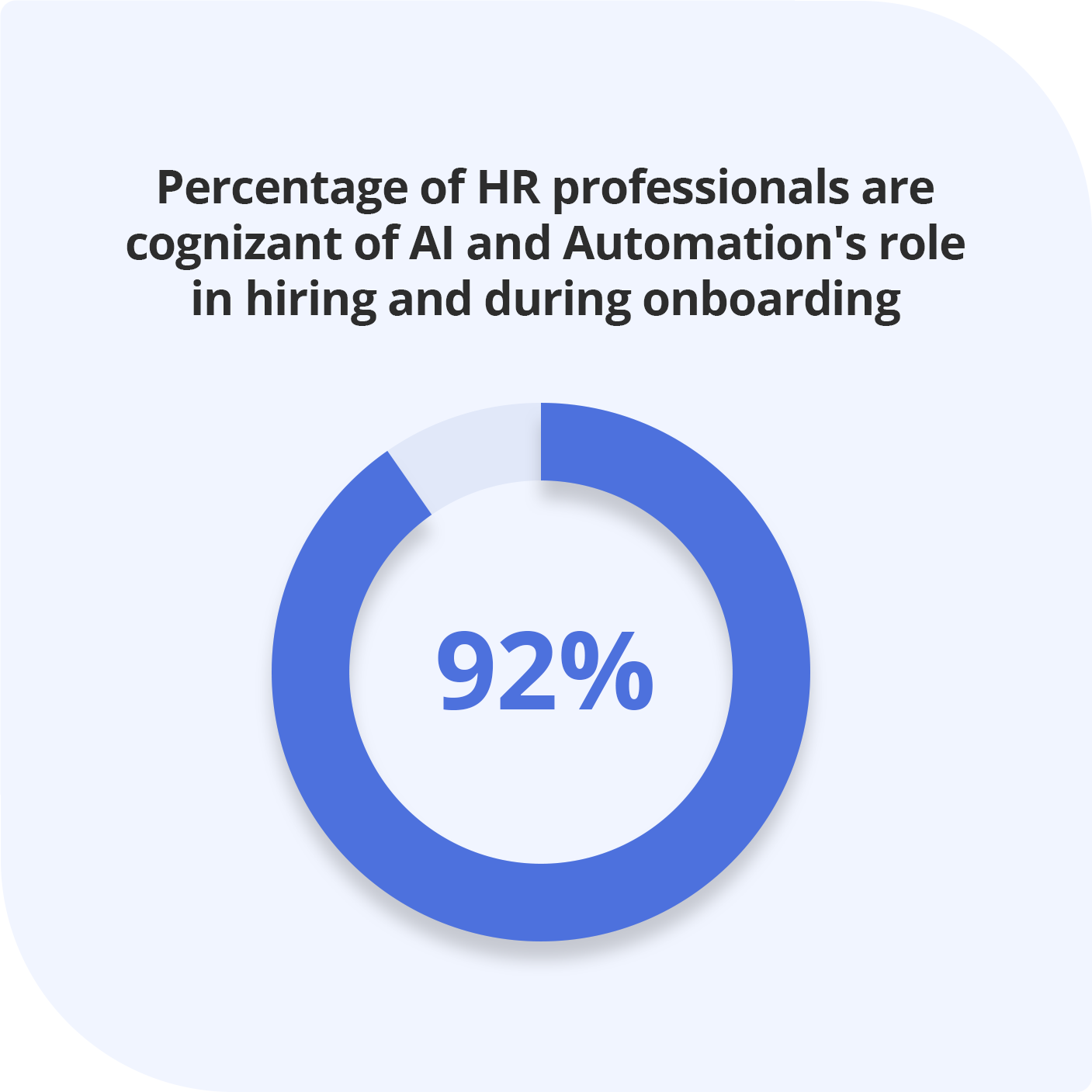
Imagine an onboarding experience where new hires can navigate a virtual tour of the company, meet their colleagues through video introductions, and access a personalised learning dashboard tailored to their role and career aspirations. AI-powered platforms can analyse new hires’ previous experiences and learning styles to customise their training modules and development plans, ensuring a more personalised and effective onboarding experience.
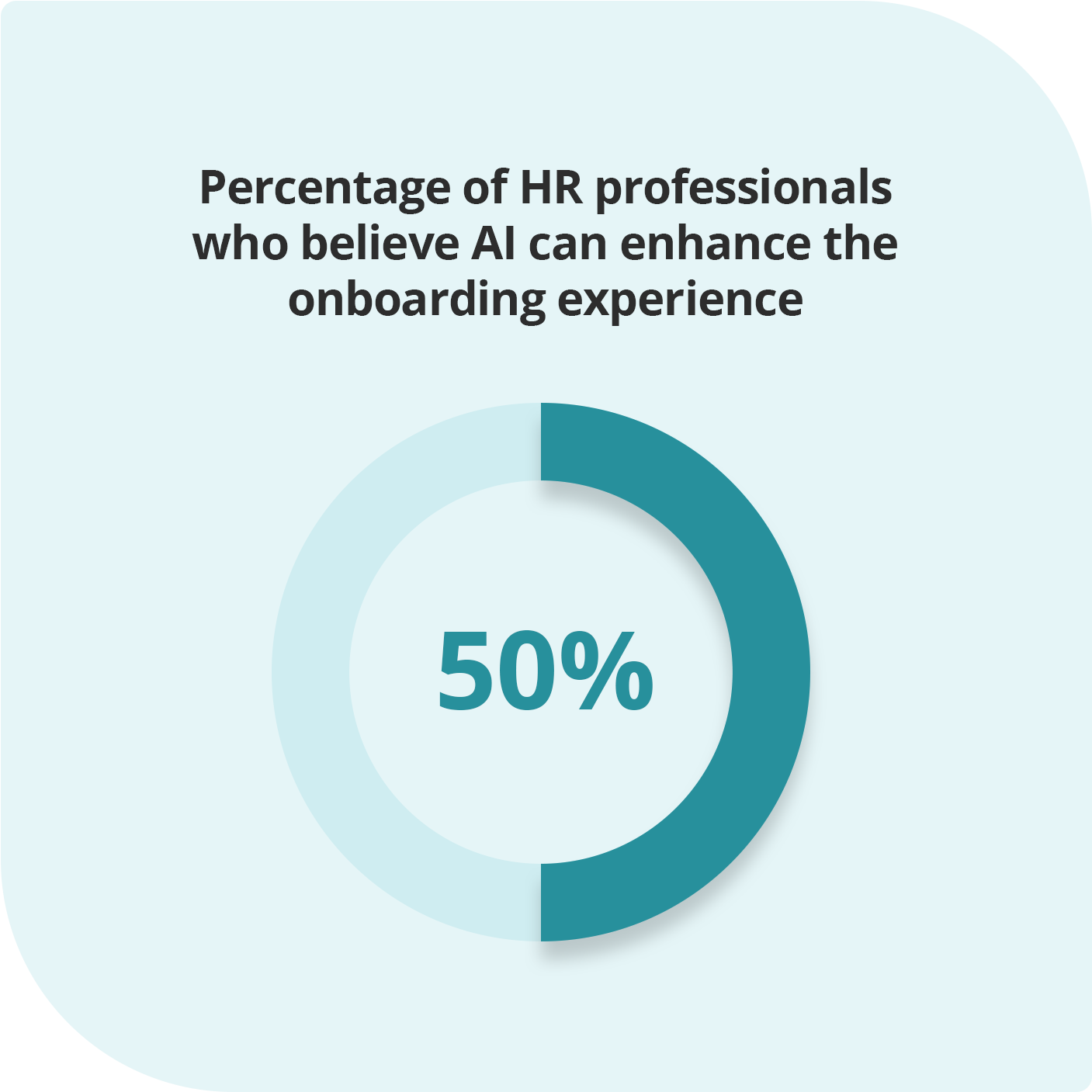
Companies like Zomato are already pioneering this approach by offering customised onboarding kits and learning resources that cater to regional preferences and languages. By integrating such technological advancements, companies can provide a seamless and engaging onboarding experience that meets the diverse needs of their workforce.
Long-Term Effect
Onboarding should be viewed as a continuous learning path. Incorporate leadership talks, ongoing training programs, and career development plans to foster long-term engagement and growth. This helps employees see a clear career trajectory within the organisation, boosting their motivation and commitment.
Continuous learning and development are critical in today’s fast-paced job market. Incorporating regular check-ins, mentorship programs, and access to advanced training resources can help new hires feel supported and valued beyond their initial onboarding phase. Leadership talks and Q&A sessions with senior executives can inspire new hires and provide insights into the company’s vision and goals, aligning their personal ambitions with the organisation’s objectives.
Mitalee adds, “When new hires are seamlessly integrated into an organisation's culture, equipped with the necessary knowledge and tools, and made to feel genuinely valued, their morale boosts. This positive mindset helps their work, increases productivity, and fosters an unwavering commitment to their roles. By prioritising a comprehensive and empathetic onboarding experience, organisations can retain top talent and foster an environment where engagement flourishes. At Wayfair, engaged employees are the driving force behind our success, and effective onboarding empowers them to unlock their full potential.”
Additionally, providing opportunities for career development and upskilling ensures that employees remain engaged and prepared for future challenges. By embedding a culture of continuous learning into the onboarding process, companies can cultivate a motivated and loyal workforce.
Challenges and Opportunities
Employee retention is a significant challenge in India’s bustling job market, where opportunities abound, and job-hopping is common. A robust onboarding process can be a key differentiator. By making new employees feel valued and engaged from the start, organisations can reduce turnover and build a more stable and productive workforce.
In a job market characterised by high attrition rates, organisations must focus on creating a strong first impression and fostering long-term engagement. Personalised onboarding experiences, driven by data and technology, can address the unique needs and preferences of each new hire, making them feel valued and integral to the organisation.
Moreover, integrating wellness programs, flexible work arrangements, and mental health resources into the onboarding process can significantly enhance employee satisfaction and retention. By prioritising employee well-being and work-life balance, companies can create a supportive work environment that attracts and retains top talent.
The Indian Way Forward
The attrition rate in India in 2023 was over 18 per cent. The future of onboarding in India holds several exciting predictions and trends. In India’s dynamic and diverse corporate landscape, effective onboarding is crucial for boosting employee morale, engagement, and retention. Just as a seasoned guide enriches the experience of navigating a bustling market, a well-crafted onboarding process transforms new hires' initial days. Prioritising hospitality, psychological safety, and team effectiveness creates a welcoming environment that fosters productivity and innovation.
Companies embracing hyper-personalisation, virtual onboarding, and continuous learning meet the unique needs of their diverse workforce. Engaging onboarding programs driven by data and technology reduces turnover and builds a stable, motivated team. Successful tactics involve underscoring the importance of comprehensive and empathetic onboarding, noting its role in boosting morale, increasing productivity, and fostering long-term commitment.
Similarly, Vikas Goel, CHRO of o9 Solutions, highlights the significance of initiatives like ‘Inspire o9ers’ and ‘Passion Circles’ that cater to millennials and Gen-Z by promoting a balanced work culture and creativity, thereby attracting and retaining top talent. As India’s job market evolves, creating strong first impressions and fostering long-term engagement are essential. Leadership talks, career development plans, and opportunities for upskilling keep employees engaged and prepared for future challenges. Integrating wellness programs and flexible work arrangements further enhances employee satisfaction and retention.
The future of onboarding in India holds exciting trends: personalised welcome kits, digital platforms, virtual onboarding, and the integration of VR and AR technologies. Continuous learning and development remain integral, ensuring long-term success and engagement.
Companies investing in innovative and effective onboarding strategies will gain a competitive edge in attracting and retaining top talent, driving sustained growth and innovation in India's vibrant job market. Embracing these strategies ensures a motivated, loyal workforce ready to meet future challenges and contribute to organisational success.