

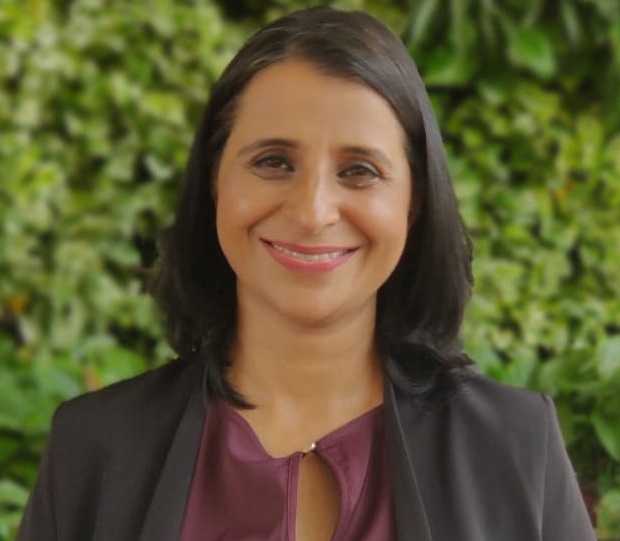
 Reetu Raina, VP and Global Head of Talent Management, Amdocs
Reetu Raina, VP and Global Head of Talent Management at Amdocs provides a detailed look into the company's forward-thinking internal mobility programme.
A recent IBM study highlights the transformative impact of AI in the tech sector, revealing a critical skills gap where 40% of the global workforce faces the necessity to reskill. This shift is altering not just skills but also employee values, with a growing emphasis on meaningful work surpassing traditional job benefits. These insights signal a pivotal moment for organisations to revise their talent management strategies, focusing on upskilling and meaningful engagement in an AI-driven work environment. Companies must navigate these changes with agility, aligning their strategies with the evolving nature of work and the new expectations of a technologically advanced workforce.
Also read: Tiger Analytics' Gen-AI Connection: Where Employee Aspirations Meet Client Excellence in 2023
The need for internal mobility programmes
Internal mobility programmes play a pivotal role in preventing disengaged employees from seeking external roles, reducing talent loss, and cutting recruitment costs. These programmes foster collaboration, enhance workplace culture, and address the need for employees to feel valued. According to the 2023 Future of Recruiting Report, 75% of recruiting professionals believe that internal recruiting will significantly influence talent acquisition in the next five years. Additionally, a survey of nearly 3,000 C-suite executives revealed that CEOs prioritise internal mobility as a key concern.
Amdocs' innovative approach, launched in 2021, exemplifies the effectiveness of internal mobility programmes. This policy allows employees to explore new roles within 12 to 24 months, reducing external hiring. In FY 2022, Amdocs filled 42.1% of positions internally, with India at 38.4%.
Reetu Raina, VP and Global Head of Talent Management, Amdocs shares, “ In FY 2023, these figures rose to 46.2% for Amdocs and an impressive 56.2% for Amdocs India. It’s clear that such programmes enhance engagement and improve retention; they also result in cost savings while promoting collaboration and strengthening workplace culture.”
In India, our internal hiring statistics have shown a remarkable upward trend compared to other Amdocs locations. This surge can be attributed to several factors that make India a unique hub for internal mobility within the organisation. India boasts a substantial segment of young professionals within our workforce, and this demographic tends to be more open to exploring various career opportunities and pathways
Navigating the process
In the context of internal mobility, fostering transparency and empowerment is paramount. Empowerment entails granting employees the confidence and autonomy to venture into new opportunities within the organisation. To achieve this, organisations must challenge outdated paradigms like the corporate ladder, which confines career growth to a linear trajectory, and dismantle departmental silos that obstruct cross-functional movement. Instead, the focus should shift towards fostering fairness, equal opportunities, and embracing a growth mindset. Encouraging this mindset, providing skill-based learning avenues, and tailoring career paths to individuals are indispensable elements in cultivating a vibrant culture of internal mobility.
Raina reveals, “At Amdocs, when an employee wishes to transition to another division within the organisation without informing their current manager initially, the process is designed to empower them. The employee updates the manager as the internal hiring process advances, ensuring they aren't hindered in exploring new opportunities.”
The move to another department is approved by the hiring manager, and the talent acquisition (TA) team subsequently informs the candidate. This approach ensures that decision-making is fair and unbiased. The focus is on eliminating biases so employees are empowered to pursue career opportunities openly and fairly within the organisation.
Also read: Our Aim is to Fill 80% of Our Product Management Roles Internally: Sahil Sharma, RateGain
India's unique hub for internal mobility
“In India, our internal hiring statistics have shown a remarkable upward trend compared to other Amdocs locations. This surge can be attributed to several factors that make India a unique hub for internal mobility within the organisation. India boasts a substantial segment of young professionals within our workforce, and this demographic tends to be more open to exploring various career opportunities and pathways,” shares Raina. The culture of mobility is particularly prevalent among those in the early stages of their careers, who are eager to gain diverse experiences and broaden their skill sets.
Addressing attrition and creating engagement
As for attrition rates, while it may not be a straightforward equation to directly link the increase in internal mobility hiring to a decline in attrition, an employee-friendly internal mobility programme plays a significant role in fostering long and fulfilling careers within Amdocs.
The primary challenge that this programme addresses for Amdocs is the creation of a more engaged workforce. “We've observed a transformation in how Amdocs is perceived as an employer. Our people choose to stay with us because we provide them with opportunities to explore various career paths, enhancing their overall job satisfaction. While it may be challenging to quantify the exact advantages, the programme has undeniably contributed to increased employee satisfaction,” adds Raina.
When it comes to specific business outcomes, it's important to note that the impact of an employee-centric internal mobility programme can be challenging to measure in traditional metrics. However, what Amdocs has observed is employees exhibiting a heightened sense of motivation, belonging, and enthusiasm to deliver their best. This intrinsic motivation, in turn, has a positive ripple effect on the organisation, driving higher performance and productivity. Ultimately, the goal is to foster a culture where our people feel valued, supported, and inspired to contribute their best.
About the author: With a rich career spanning over two decades, Reetu Raina brings her extensive experience in organisational design, HR digitalisation, and employee engag
ement to her role at Amdocs. Her journey through various leading companies – Reliance Infocomm, TATA AIA Life Insurance Company, Godrej Hicare Ltd, HDFC Bank, and Quick Heal – has culminated in a pivotal position at Amdocs, where she drives HR strategies to adapt to contemporary workplace challenges and opportunities.