

Milind's recent transformation at the agency marks a stark departure from his previous work habits. Once lethargic and uninspired, he now approaches his tasks with renewed vigour and determination. Just a couple of months ago, he was merely going through the motions, barely meeting deadlines and feeling trapped in a mundane routine.
So, what triggered this sudden shift from mediocrity to excellence?
For months, Milind trudged through the same dreary office corridors, his enthusiasm dwindling with each passing day. The lacklustre interiors mirrored the monotony of his work life, and he found himself relying on coffee breaks to get through the day.
Then came the announcement: the agency, recognising the need for change, declared a two-month work-from-home period for renovation purposes.
The day arrived when Milind returned to the office, and he was greeted by a sight straight out of a design magazine. The once dull walls now boasted vibrant colours, and sleek, minimalist furniture breathed new life into the space.
Intrigued by the transformation, Milind approached his revamped desk, which now featured lush office plants, stylish stationery, a brand-new office bag, a basket of chocolates, and a comfortable ergonomic chair. But it wasn't just the aesthetics that caught his eye; it was the palpable energy and excitement that filled the air.
Inspired by the office's newfound vibrancy, Milind embarked on a mission to update his wardrobe. No longer content with drab outfits, he embraced bold colours, quirky patterns, and statement accessories.
With each passing day, Milind's enthusiasm for work grew, reflected in both his professional demeanour and his stylish attire. No longer did he dread Mondays; instead, he looked forward to the creative opportunities that awaited him in the revitalised office.
But what about those who don't have the luxury of living close to the office? How does this transformation impact them?
Office Peacocking
We've moved past the darkest days of the COVID-19 pandemic and are now returning to our offices for regular commutes. The shift from remote work to in-person office attendance is underway, leaving employees of all ages, genders, and locations adjusting to the change. In response, companies are reconsidering the traditional office setup, aiming to create more advanced work environments that inspire a sense of purpose among employees and boost productivity.
This has led to a constant rise of ‘office peacocking’ where the office spaces are ingeniously redesigned in ways to make the place more comfortable and persuading. With minimalist sofas, artful lighting to maximalist wall art, organisations are leaving no stone unturned to create more relaxed work setups that make their employees feel homely. But are these cosy nooks and ethereal setups actually that welcoming with a productive end in mind or just lure tactics to recreate the pre-pandemic atmosphere of work? Let’s find out.
Ink Dive: Office Peacocking vs. Coffee Badging: Who’s Winning?
Looks can be Deceiving?
While the appearance carries the semblances of modern lounges or living rooms, for most companies it’s also paying through the nose and to break even such exorbitant costs, they also expect employees to reciprocate the same by coming regularly to the office and assert high-yielding outputs for their respective employers. But this has not been an overnight thought but rather a strategically planned and ever-evolving process where discussions, surveys and opinions were generated at the intra-organisation levels to comprehend employee needs.
Frank Weishaupt, CEO of Owl Labs in a conversation with Forbes stated that despite four years since the pandemic, employers are trying to deploy pre-pandemic policies. He said that “Companies paying for commuting costs (38%) is at the top of the list, followed by greater privacy at the office [e.g. dedicated offices, more phone booths] (34%), and having a way to know when people they want to see will be there (33%)” he points out. “We also found that it might be a good time to kill the dress code, as one in four employees (24%) said they would be enticed to go to the office if they were able to wear whatever they wanted.”
Data from Owl Labs indicates that 2023 witnessed a significant return of employees to the office. A striking 66% of respondents report being back in the office full-time, yet only 22% express a desire to continue in this manner. Moreover, business travel appears to be rebounding, with 54% of workers stating that it has returned to pre-pandemic levels. Nonetheless, subtle trends persist, suggesting employee reluctance towards Return-to-Office (RTO) directives.
Are employees truly embracing the return, or is this perceived trend merely a reflection of their yearning for the elusive work-life balance they strive to attain?
Ink Dive: AI Roles, Hybrid Work: Key HR Trends 2024
What Employees Want?
Since the conclusion of the global lockdown, working methods have evolved beyond the binary choice of either fully remote or entirely in-office. A plethora of flexible approaches has emerged, resulting in hybrid work styles becoming prevalent.
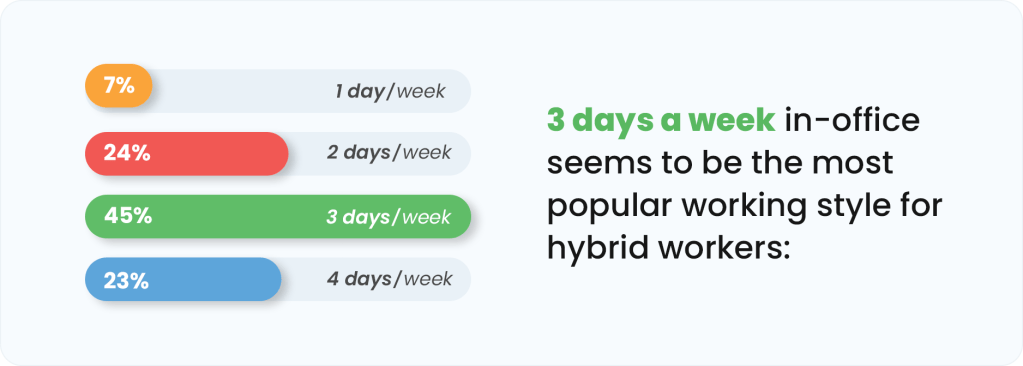
Employees are preferring more flexible scales of work where irrespective of work hours, the limitations of coming to the office every day are mitigated. Alternate work days, limited time in the office, commuting amenities, approval of clothing, etc. are the sort of leverages employees are seeking from from their employers to have a more balanced work life. That’s how newer concepts like coffee badging (where employees spend a minimal amount of time in the office just to make their presence felt) or shadow policies where individuals have the approval of their reporting managers or skip managers to work from home notwithstanding company policies making it mandatory to work from office during business days.
Weishaupt also mentioned that almost half (46%) of employees are moonlighting or have a ‘side hustle’ with their primary source of income. Interestingly, it has been observed that there has been a constant surge in polyworking where they are dabbling with two or more jobs, projects or roles. Under such conditions, how effective is office peacocking?

While many like Milind have embraced the return-to-office policy, others believe it’s a ploy that doesn’t add rather hamper their productivity and prefer the confines of their homes.
A report by Flex Index reveals that 62% of companies offer work location flexibility.
The above pie chart reflects how Millennials dominate the age brackets of individuals holding more than one job by a substantial margin, with 74%. Following them are Boomers and Gen Z at 13% each, while Gen X trails with 11%.
In the second quarter of 2023, the proportion of companies enforcing a full-time in-office policy stood at 42%, marking a decrease from the 49% observed in the first quarter of the same year. These insights come from the Flex Index, a comprehensive database aggregating surveys and publicly accessible data that monitors the return-to-office strategies of over 4,000 companies.
Additionally, the report reveals a notable increase in the adoption of hybrid work arrangements, with approximately 30% of companies embracing this approach, compared to 20% in the preceding quarter.
With more and more employees preferring a hybrid working style, some employers are starting to lose sight of just how productive (and perhaps stressed) their employees are on a day-to-day basis. In fact, 60% of managers are still concerned that workers are less productive when working remotely. That may be why over a third (37%) of employers have added or increased the use of employee activity-tracking software in the past year.
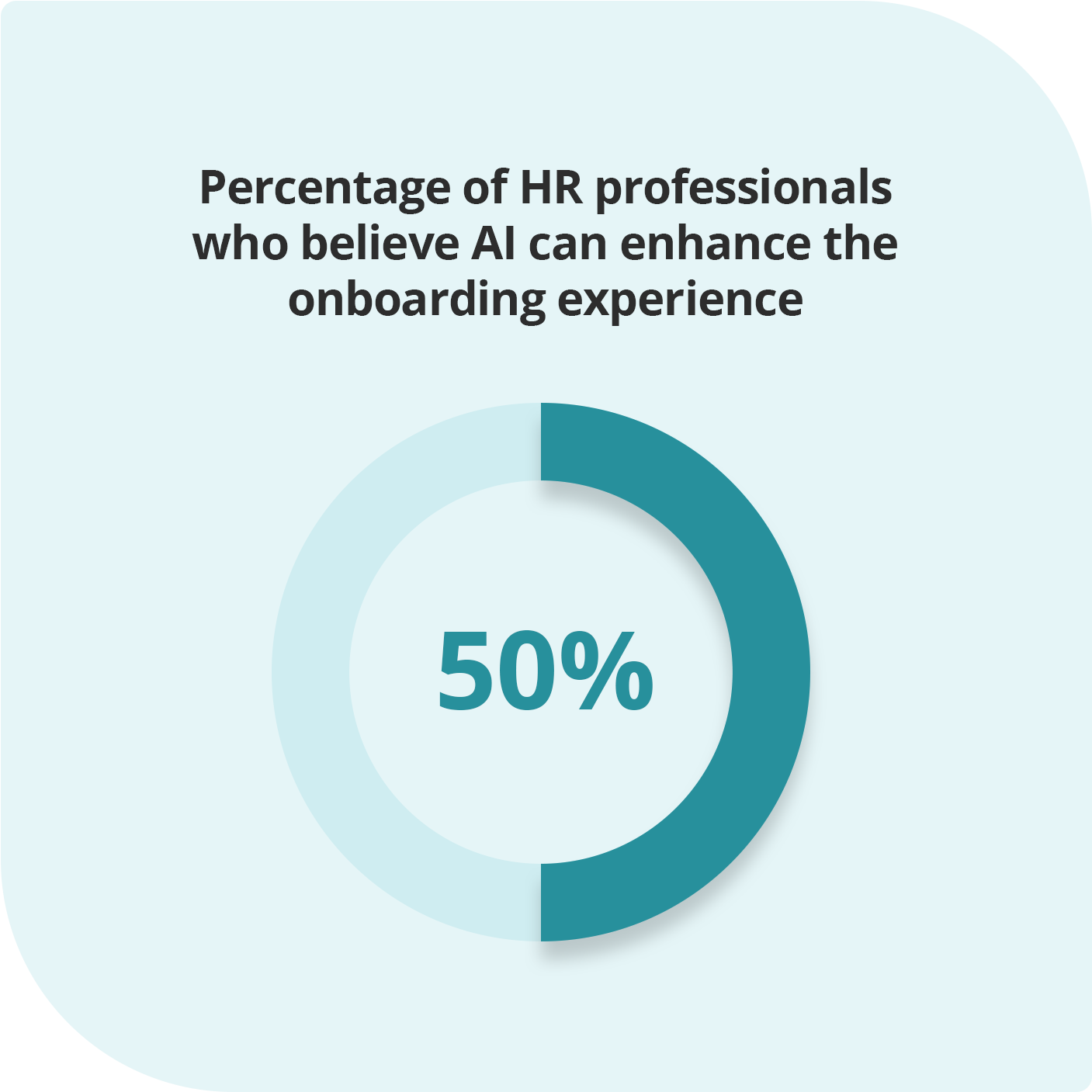
The reality is two-thirds (62%) of workers feel more productive when working remotely, while just 11% feel less productive. Millennials feel the most productive while working from home (66%), and Boomers feel the least (46%).
While amenities like soundproof boardrooms, meeting pods and phone booths are indeed essential for creating a great workplace environment, they may not be appealing options for many employees, particularly millennials. Conversely, for Gen Z individuals, especially those starting their careers, there's a strong inclination to be present in the office. They perceive it as a valuable learning experience and believe that being visible may contribute to earning the approval of their seniors and managers.
Regardless, neither path guarantees success in one's career.