

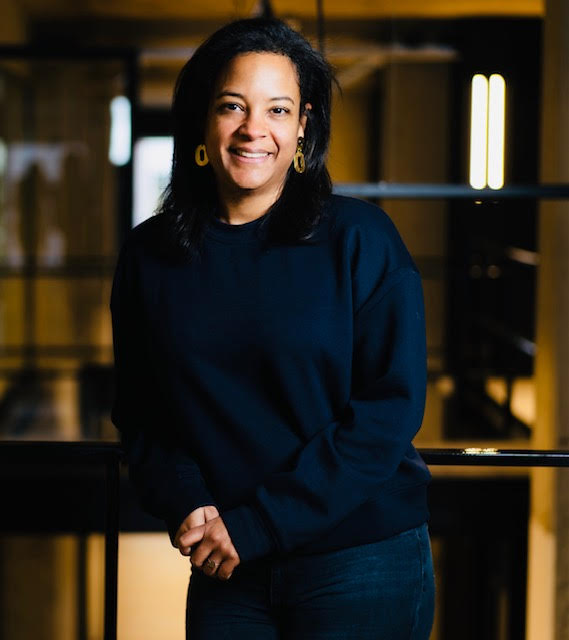
 Gwen Kolader, VP - Global Head-DEI, Hexaware Technologies
Unconscious biases, deeply embedded in societal norms, profoundly impact critical business processes like recruitment, performance appraisals, and team dynamics. The push to dismantle these biases goes beyond the pursuit of equity in the workplace; it's a strategic move to boost creativity and innovation by valuing diverse viewpoints and experiences. Consequently, organisations, around the world, are developing holistic strategies aimed at building inclusive, equitable work cultures. These strategies encompass a range of measures, from awareness initiatives and diversity training to ongoing education programmes, all designed to encourage personal introspection and bias reduction. Recruitment methods are also transforming, with the adoption of blind hiring processes and diverse interviewing panels, to ensure impartial candidate evaluations. Leadership's role in guiding and cementing these changes is fundamental.
In a discussion with All Things Talent, Gwen Kolader, Global Head of DEI at Hexaware Technologies, touches on this subject, while shedding light on Hexaware's specific strategies to combat unconscious bias.
When did you realise it’s time to address the biases that unwittingly seeped into your processes?
During my career, it has always been my priority to address and combat the biases in processes and policies. Every human being has unconscious biases; these are inevitably created by our brains to survive in the world. What we need to work on is gaining insights into how unconscious biases could negatively affect the decisions that we make in companies, especially decisions we make during hiring, promoting and performance conversations. When I started my current role, the first thing I did was collect data because data can provide an obvious overview of the DE&I successes and challenges in a company. For instance, the data showed that we have far more men than women working with us, especially in leadership positions. Taking a closer look at the unintended biases that are part of our recruitment, promotion, and performance processes is part of the journey we are on today.
In your experience, which areas or functions within the organisation were most impacted by these biases or required more focused attention to address them?
There is no specific function that stands out. In every function where people work, you will find bias. In teams of software developers, IT specialists, recruiters, finance departments, executive leadership teams and HR. Combatting biases is a responsibility we all have to take as they affect all that we do. But to make a start at Hexaware, we focused on recruiters, HR, and people managers first as their decisions and interactions have a direct effect on our people.
Also read: Recruitment Roundtable Series: Naukri's AI Journey To Transform Talent Acquisition
This approach has led to more gender-balanced outcomes in promotions across various departments compared to previous years. This scrutiny applies not only to official processes but also to our day-to-day decisions. Whom do I bring to the client? Do I ensure every voice at the table is heard? Who do I invite on stage during a company event? This has led to more visibility of women employees and employees from different cultures.
Could you share an example of a decision that was influenced by unconscious bias and the steps taken to address it?
My experience when I speak to male leaders during my career is that they unconsciously tend to favour other men, which shows in everyday encounters such as, who I bring with me to the clients, who can replace me during my absence, or who I give this important project to. When forcing ourselves to take a closer look at these everyday encounters, we may notice a pattern of behaviours and decisions that may be biased. Most of the male leaders I spoke with decided to be more conscious and careful when making decisions like this to make sure that women or other underrepresented groups will get equal opportunities that help them grow their careers.
Your statement, ‘The challenge is not that we are biased, the challenge is that we do not think we are biased,’ is profound. Could you elaborate on the insights gained from training sessions that led to this realisation, particularly regarding everyday biases?
I have used this statement for a long time, as I find it to be an eye-opening statement that triggers conversation. During the training sessions, we create learning moments through different ways of offering content. Via video, questions, multiple-choice scenarios, and interaction, we stimulate the brain to envision certain situations that are very common in the workplace. We also address situations that will most likely trigger unconscious bias.
How has this initiative to address unconscious biases reshaped the decision-making process at Hexaware? Could you provide specific instances where this change is evident?
We are challenging leaders, especially during performance processes, to take a closer look at the decisions they have made in the past and those they must make now. This approach has led to more gender-balanced outcomes in promotions across various departments compared to previous years. This scrutiny applies not only to official processes but also to our day-to-day decisions. Whom do I bring to the client? Do I ensure every voice at the table is heard? Who do I invite on stage during a company event? This has led to more visibility of women employees and employees from different cultures. Pushing ourselves to check our behaviour and unconscious biases helps us focus on creating real change in our company.
How frequently are these sessions planned?
We have run a pilot with 1000 people and are now enrolling our internal training sessions for many more people, moving forward. In addition to these training sessions, we stimulate meaningful conversations about biases, stereotyping, assumption making, and framing to deepen understanding and awareness.
About the expert: Gwen Kolader is a dedicated People & Culture professional with a deep-seated passion for Diversity & Inclusion (D&I). Her mission is to seamlessly integrate D&I with business strategy and to aid companies to turn into examples for sustainable growth, inclusivity, and continuous learning.