

In a world where people have polarising opinions on the increasing influence of technology, Abhishek Misra advises that the key to advancement is to accept tech as a friend rather than a rival. In this special interaction with All Things Talent, the Head of Human Resources at Rockwell Automation India shares his experiential knowledge on championing people through technology, diversity and key initiatives of Rockwell that cater to healthy talent acquisition and retention strategies.
With almost 20 years of experience in the HR industry, can you share some of the most significant changes you have witnessed in HR practices over the years? How have these changes influenced your approach to HR at Rockwell Automation?
There has been a steady evolution in the space of HR, primarily due to key events in the last few years. One, of course, is the pandemic, followed by the ongoing geopolitical developments. Additionally, there's been a heightened focus on the environment and sustainability. These issues have significantly impacted the way organisations, countries and global priorities are shaping up.
From an HR perspective, particularly in our sector, the focus on digitalisation and automation has increased significantly. This has led to a growing demand for services and skills like AI, ML, virtual reality, augmented reality, and automation skills. Another impact is the growth in certain industries, such as the electric vehicle ecosystem and the semiconductor industry, driven by the digitalisation of everything and a focus on sustainability.
Organisations are also looking to reduce their carbon footprint, leading to a demand for greener technologies and green skills. These trends are not just about new technologies or skills but about the coexistence of these technologies with human intelligence. I believe these technologies will complement and enhance human intelligence rather than replace it.
Speaking of the changes, I have observed, I’d say that apart from functional and soft skills, one of the biggest skills now is how comfortable people are with adopting technology. This is a crucial factor in hiring decisions. Technology should not be seen as a competitor but as a companion; on whom to rely upon. Change management is another critical aspect we look for, as many changes are happening globally that reshape organisational contexts. Learning agility is also vital, as people need to continually ‘unskill’ and ‘reskill’.
Considering the competitive landscape for talent in the manufacturing sector, how does Rockwell Automation differentiate itself from other employers to attract and retain top talent? Can you share any successful recruitment campaigns or initiatives that have made a significant footprint?
We differentiate ourselves by clearly articulating our purpose and strategic direction early in the candidate journey. This is particularly important for Gen Z, who prefer purpose-driven organisations. Offering a bouquet of benefits, we emphasise our culture, opportunities for innovation, community service programs, and well-being initiatives, ERGs, which include physical, emotional, mental and financial well-being.
For example, our campus hiring program has significantly evolved over the last five years. We now hire 80 to 100 early career talents from multiple institutes, focusing voraciously on female talent, with 50% of our campus hires being women. we have also successfully attracted specialised talent in areas like cybersecurity and semiconductor skills through structured onboarding programs and have generated impressive numbers w.r.t. our competitors in the same verticals. Not only attracting, we ensured that we retained them. Our onboarding plans had 30-60-90 plans for new members, assimilation programs and buddies assigned to them for a delightful onboarding experience.
McKinsey’s Diversity Wins report states that companies in the top quartile for gender diversity on executive teams were 25% more likely to have above-average profitability. How does Rockwell Automation incorporate diversity and inclusion into its HR strategies, and what initiatives have you found most effective over the years in fostering a diverse and inclusive workplace in India?
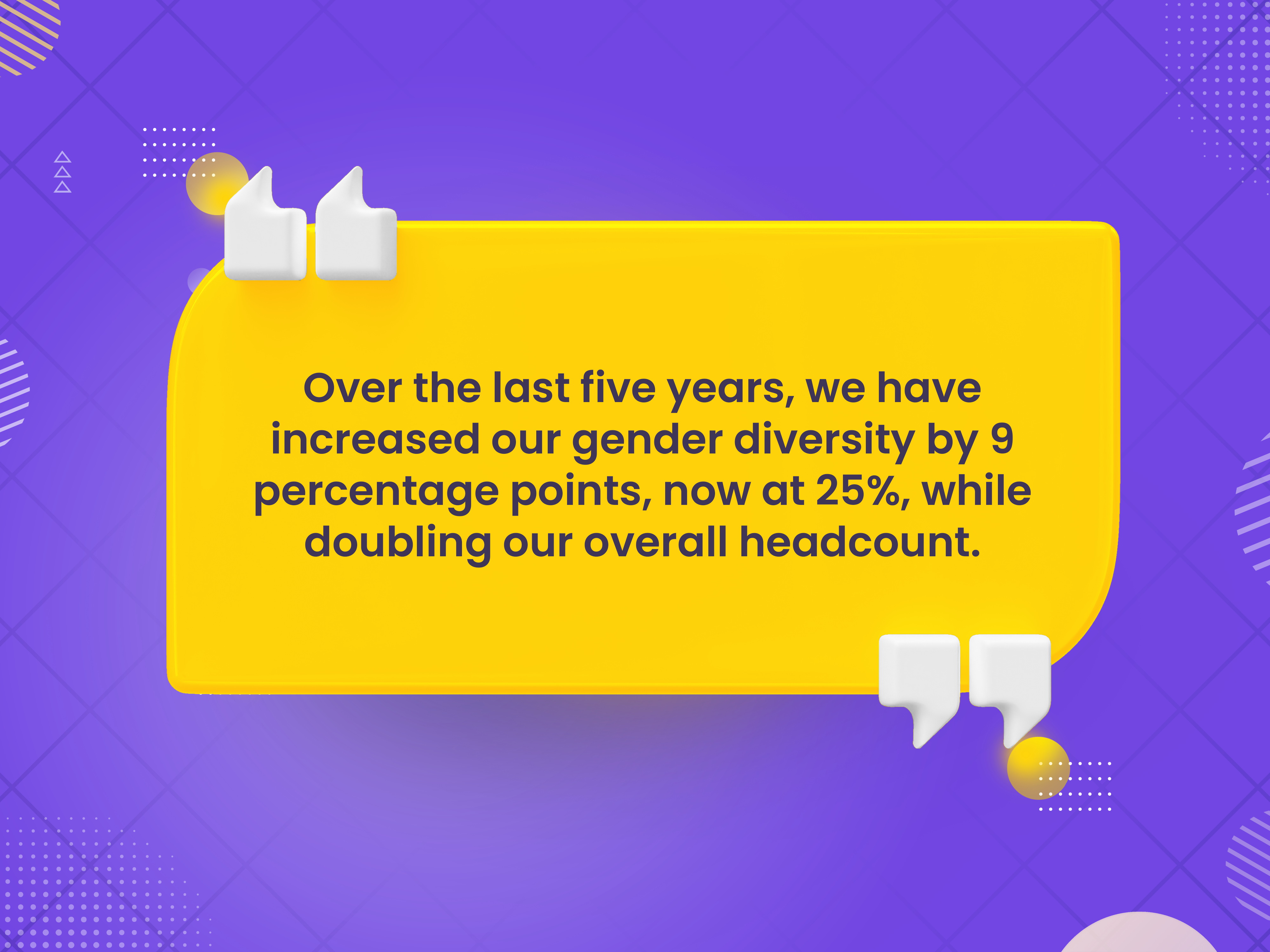
We have a very evolved diversity, equity, and inclusion (DEI) purpose and leadership group. We focus on hiring and empowering female talent, with significant progress in our diversity hiring agenda. Over the last five years, we have increased our gender diversity by 9 percentage points, now at 25%, while doubling our overall headcount. Our reestablish program focuses on hiring women who took a career break, providing them with bridge experiences to stabilise and integrate into Rockwell.
Creating an inclusive culture is another key focus. Through key initiatives like the following, we are doing our best to build a pan-inclusive environment.
- The Unconscious Bias Workshop trains managers and leaders to hire without the intervention of prejudice or partiality,
- The Managing Across Differences Programme imparts training to maintain an inclusive culture while managing homogenous teams
- The Allyship Programme under which leaders sponsor the career development of select women's talent.
How is Rockwell Automation leveraging technologies in its HR operations? Can you talk about instances or campaigns where such results added to the company’s benefit?
During the pandemic, we transitioned to the human capital management platform ‘Workday,’ which includes numerous AI-enabled functionalities. This shift significantly improved our HR operations. We also introduced an AI-driven recognition platform integrated with existing technology, enhancing the employee experience. This platform allows managers and employees to instantly recognise achievements via MS Teams, streamlining the recognition process.
Another major initiative was our collaboration with Qualtrics for our annual Global Voices Employee Engagement Survey. This partnership provided us with extensive analytics capabilities, enabling HR and managers to dissect engagement data across various demographics, such as gender, generation, location and tenure. This data-driven approach empowered leaders to implement targeted interventions to improve engagement and retention.
We also automated our talent acquisition processes by integrating our applicant tracking system with Workday, creating a seamless experience for candidates, hiring managers, and HR. This integration eliminated the need to navigate multiple platforms during the hiring process, significantly enhancing the overall experience.
Another thing I’d like to highlight is that we integrated our learning platform with Workday Learn, enabling employees to upskill in a flexible and agile manner. They can access learning materials anytime, anywhere, including during their commute through mobile devices. This integration allows employees to learn what they want, when they want, and how they want, without being confined to traditional classroom-like settings.
An interesting development that we have dome is that by collaborating with various vendors, we introduced well-being apps and wearables to support our employees' physical, emotional and financial well-being. we have partnered with Virgin Pulse for gamified physical well-being, tracking steps and habits. The mind-calming app, known as 'Calm’, supports mindfulness. Workplace Options provides resources for emotional well-being. These collaborations enhance our employees' physical, mental, and emotional health.
These resources are often gamified, fostering a competitive yet supportive environment that promotes overall well-being., we have provided employees with comprehensive resources to enhance their well-being holistically. Driven by advanced HR technologies, they have collectively enhanced the employee experience, making our HR operations more efficient and effective.
Given the rapid technological advancements and automation in manufacturing, job security can often be a concern for employees. How does Rockwell Automation address these concerns, and what strategies do you employ to reassure your workforce about their future with the company?
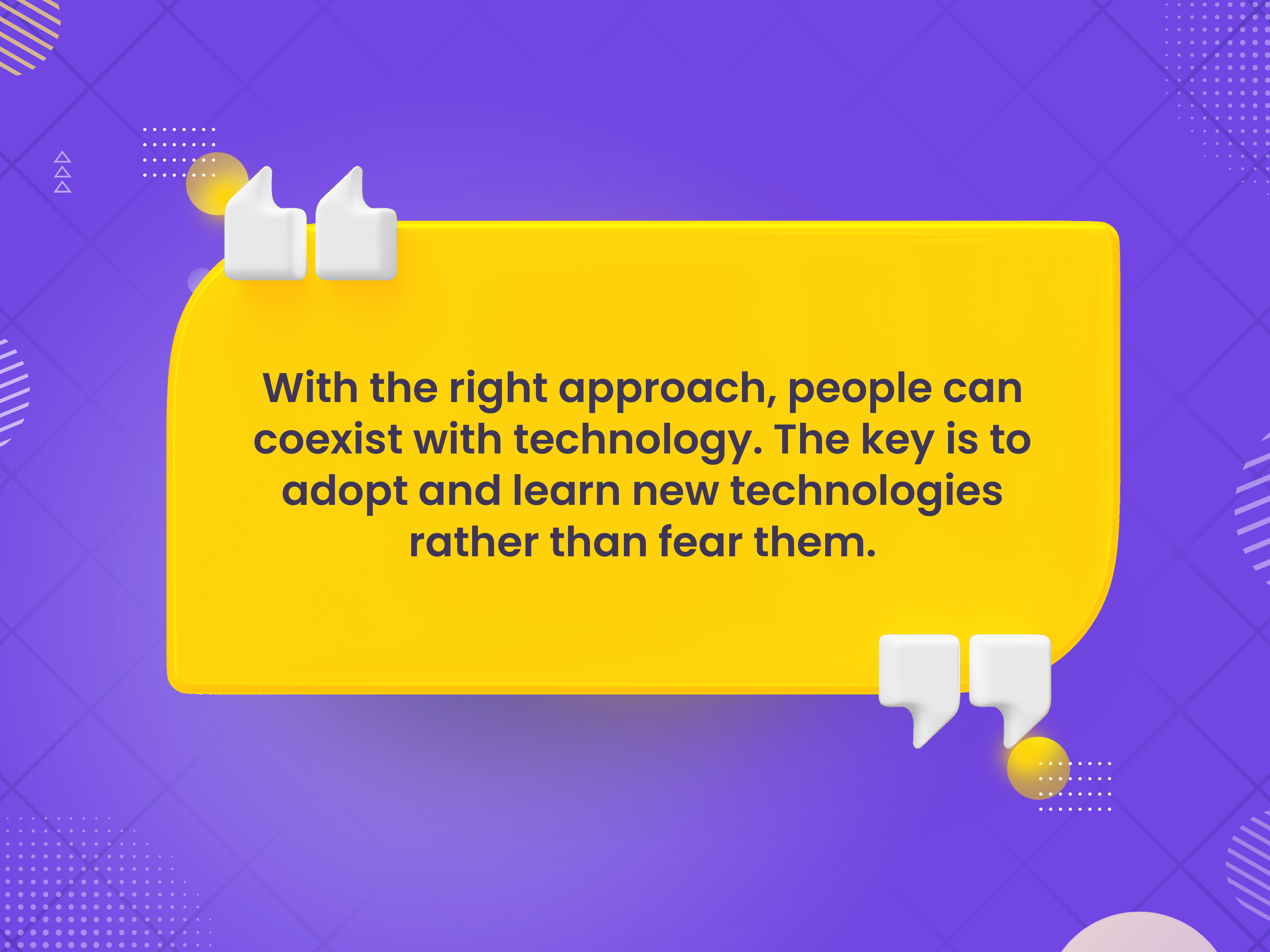
There's a common myth that technology will take away jobs, and I believe that’s far from the truth. With the right approach, people can coexist with technology. The key is to adopt and learn new technologies rather than fear them. This involves learning agility, the ability to unlearn and relearn things, which is similar to the un-skilling and reskilling I talked about earlier.
For instance, content writers or copywriters might worry about AI taking over their roles. However, by understanding how AI can aid their work, they can evolve from mere content or document writers to narrative creators, focusing on synthesising and presenting content convincingly. Their roles would rather be enhanced than diminished. The go-to strategy is to encourage continuous learning and adaptability, showing employees how technology can chaperone and elevate their roles rather than replace them.
At Rockwell, we have several initiatives to support job security:
- Rockwell Automation University updates employees on the latest functional skills.
- Seismic focuses on technological advancements, providing updated content to enhance technological capabilities.
- Workday Learn targets leadership and behavioural skills, offering training on adapting to change and managing conflict.
These platforms ensure our employees stay ahead of market trends, securing their future with us.
According to a study, the technology and the physical/manual industries are among the top 3 marred the most by ageism. How does Rockwell Automation address ageism within its workforce, ensuring that both seasoned professionals and younger employees are valued and their contributions recognised?
At Rockwell Automation, we are deeply committed to fostering a workplace that values and recognises the contributions of all employees, regardless of age. One of the ways we address ageism and ensure the successful coexistence of a multi-generational workforce is through our ongoing studies focused on understanding the dynamics within our diverse organisation. As we speak, we are examining best practices and insights from the broader industry to inform our approach to creating an inclusive environment where Gen Z, Millennials, and Baby Boomers can thrive together.
A key initiative in this effort is the establishment of Employee Resource Groups (ERGs) that cater to the unique needs and passions of different cohorts within our workforce. For example, we have the Advanced Young Professionals group, which is tailored to the aspirations and interests of our younger employees, particularly those from Gen Z. This group provides a platform for them to connect, share experiences, and pursue their passions.
We also support employees who are at different life stages through ERGs like PACT (Parents and Caretakers), which focuses on those balancing their professional responsibilities with caregiving duties, whether for children or elderly family members. This group provides support and resources to help these employees manage the challenges that come with such responsibilities.
Additionally, we have ERGs like RASWE (Rockwell Automation Supporting Women Engineers), which is dedicated to supporting women in engineering roles, ensuring they have the resources and community they need to succeed.
Beyond these groups, we also embrace mentoring and reverse mentoring programmes. Traditional mentoring involves seasoned leaders guiding less experienced individuals, a practice we continue to uphold. However, we have also introduced reverse mentoring, where younger employees, such as those from Gen Z, mentor more experienced colleagues on emerging trends in society, technology, and other areas. This two-way exchange of knowledge helps bridge the generational gap and fosters mutual respect and learning.
These initiatives are part of our broader strategy to create a workplace where every generation feels valued and can thrive. By embracing the strengths and perspectives of all age groups, we are building a more inclusive and dynamic organisation.
How is Rockwell Automation leveraging AI and machine learning technologies to enhance diversity in its recruitment processes, ensuring a more inclusive and unbiased selection of candidates? Can you share examples for the same?
At Rockwell Automation, we are leveraging AI and machine learning technologies in several ways to enhance diversity in our recruitment processes, ensuring a more inclusive and unbiased selection of candidates. One of the primary initiatives involves creating role profiles that are completely gender-agnostic. We recognise that the foundation of an inclusive recruitment process begins with job descriptions that do not inadvertently favour a particular gender. Hence, we avoid using gendered language and focus on crafting profiles that appeal to all potential candidates equally.
In addition, we utilise AI tools integrated into our Workday system to ensure a balanced hiring mix. These tools help us achieve a well-balanced channel mix and maintain a diverse pool of candidates, particularly concerning gender diversity. We also employ tracking mechanisms within Workday to monitor the composition of our hiring panels. A key feature of this system is its ability to flag any lack of diversity within a hiring panel, prompting leadership to reconsider the panel's composition if it does not reflect the inclusivity we strive for.
Moreover, we have implemented a hiring enablement programme specifically designed to help our leaders and managers recognise and eliminate unconscious biases during the hiring process. This programme, run on an automated platform, plays a crucial role in educating our leadership on the nuances of bias, ensuring that these biases do not influence our recruitment decisions.
These technological advancements are integral to our commitment to driving our diversity agenda with unwavering dedication.
Agile talent management allows companies to respond swiftly to market changes. What specific agile practices have you adopted, and how have they impacted your talent management strategies?
At Rockwell Automation, we have embraced agile talent management practices to respond swiftly to the evolving demands of the market. One of the most innovative initiatives we have implemented is a talent marketplace platform we proudly named ‘E-B-G-I-L-E’, a portmanteau of ‘education’ and ‘agility’. This platform, entirely conceptualised and developed in India, serves as a stretch assignment platform designed to cater to the needs of today's workforce, particularly those who crave rapid learning and instant gratification.
We recognised early on that many in the current generation prefer short-term roles where they can quickly learn and then move on to new challenges, rather than remaining in the same position for several years. To address this, the EBGILE platform allows leaders and managers to post short-term assignments—typically lasting between six to eight weeks—that any employee across various functions and business units can apply for. These assignments are in addition to their regular responsibilities, hence the term ‘stretch assignments.’
The impact has been significant. Employees not only acquire new skills through hands-on experience but also have the opportunity to network and increase their visibility within the organisation, transcending their immediate functional areas. This approach has been particularly successful in India, and due to its effectiveness, we have received support from our Asia-Pacific leadership to roll it out across the region.
This agile practice has greatly enhanced our talent management strategy, ensuring that our employees remain engaged, continuously learning, and well-prepared to meet the dynamic needs of the market. It's a homegrown initiative that we're excited to expand further, showcasing how agile practices can transform talent management on a broader scale.
Is there any interesting trivia or a fact you’d like to share from the hiring industry?
One piece of trivia that I often reflect on, drawn from my own career journey, is the significance of exploring unconventional or non-traditional methods of hiring. Often, the talent you're searching for can emerge from the most unexpected places. This serves as a message to remain open to out-of-the-box thinking and to be willing to consider candidates from non-traditional backgrounds. Sometimes, the best talent is found where you least expect it. By broadening your perspective and exploring unconventional sources, you may discover exactly the kind of talent that your organisation needs.
Abishek Misra, Head of Human Resources at Rockwell Automation India is a thinker, influencer, implementer and super resilient with almost 20 years of experience across HR Generalist & COEs and business roles in areas of Talent Management (including strategic hiring), Change Management, Leadership Coaching, Learning & Development, Policy Review & Design, Lean Sigma in HR, IR/Employee Relations, Compliance and Operations/Commissioning; across FMCG, BFSI, Healthcare, Oil & Energy and Automation industries.