

Every new generation entering the workforce reshapes our understanding of what work should look and feel like. For organisations today, Gen Z represents far more than the next wave of talent; they are a powerful catalyst prompting companies to rethink how growth, transparency and opportunity are experienced from the very first day of a career.
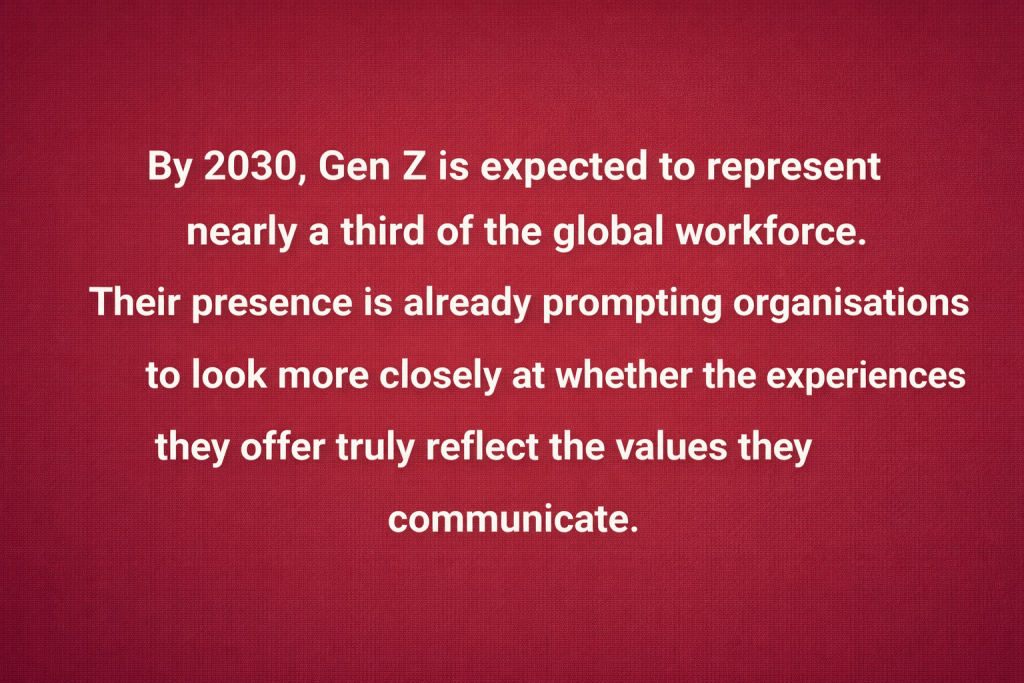
By 2030, Gen Z is expected to represent nearly a third of the global workforce. Their presence is already prompting organisations to look more closely at whether the experiences they offer truly reflect the values they communicate. The most successful organisations are not simply adapting to these expectations but using them as an opportunity to build more transparent, collaborative and empowering workplaces.
Why Gen Z Speaks Up
Gen Z has grown up in a world defined by access to information, diverse global perspectives and open dialogue. This has shaped a generation that is comfortable asking questions, sharing ideas and engaging in conversations about how work can be better.
When organisational practices diverge from stated values, Gen Z is often the first to highlight the gap. Rather than viewing this as a disruption, forward-looking organisations recognise it as a valuable signal. Honest feedback from early-career employees can surface issues around communication, clarity and expectations long before they affect broader engagement or retention.
More often than not, the challenge is not intent but alignment. When roles evolve without clear guidance, compensation cycles lack transparency, or managers struggle to communicate trade-offs and timelines, trust can gradually erode. Clear, open conversations are what sustain credibility.
Growth Beyond the Traditional Ladder
One of the most common misconceptions about Gen Z is that they are focused primarily on rapid promotions. In reality, their expectations around growth are far more nuanced. What many early-career professionals seek is clarity: an understanding of which skills matter, how progress is evaluated and where opportunities to contribute meaningfully exist. Recognition in real time, exposure to new challenges and the ability to build capabilities across disciplines often matter more than rigid timelines for advancement.
Organisations responding well to this shift are rethinking traditional career structures. Capability-based progression, flexible development pathways, and opportunities for employees to contribute ideas on how growth frameworks evolve are becoming more common. When individuals feel they have a voice in shaping these systems, trust and credibility naturally follow.
Ink Dive: Subnesh Sharma on How VVDN Is Letting Gen Z Redesign the EVP
Learning as a Shared Endeavour
For Gen Z, learning is rarely a one-directional process. They gravitate towards environments where knowledge flows across teams and hierarchies. Collaborative learning formats, including peer-driven learning communities and reverse mentoring, are increasingly gaining traction. When younger employees share perspectives with senior leaders, it not only accelerates knowledge exchange but also gives leadership real-time insight into how expectations around work, purpose and flexibility are evolving. This approach reframes learning as a shared endeavour rather than a top-down programme.
EVP as Architecture, Not Announcement
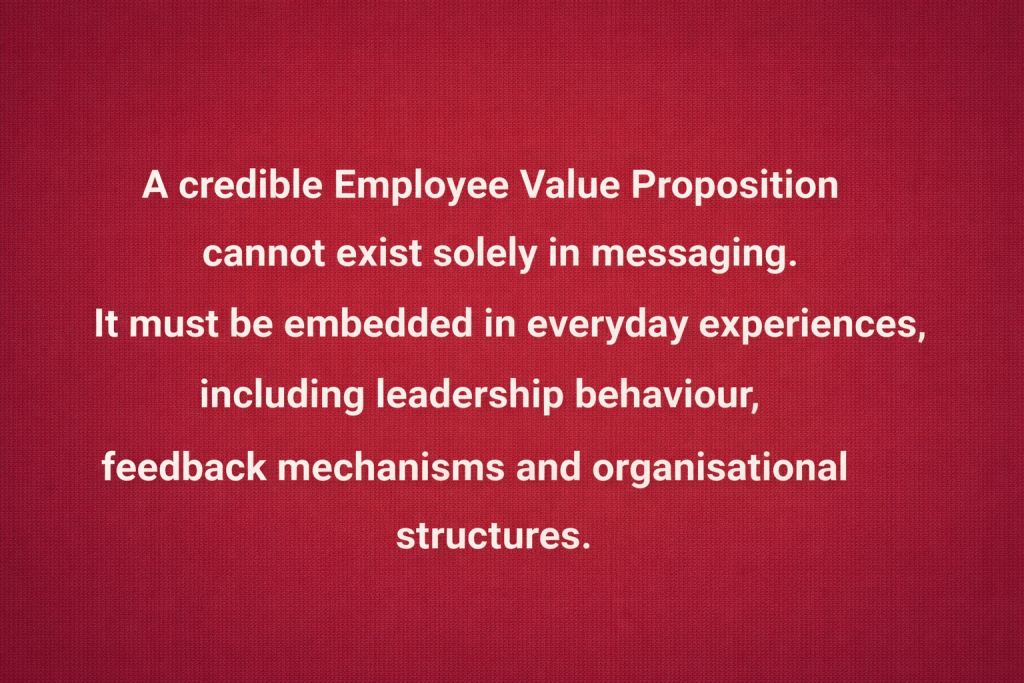
A credible Employee Value Proposition cannot exist solely in messaging. It must be embedded in everyday experiences, including leadership behaviour, feedback mechanisms and organisational structures.
Employees need to see that their perspectives influence real change. Organisations that close the loop on feedback and translate insights into tangible action build trust far more effectively than those that simply gather opinions. This is particularly true for the manager layer. Managers shape how organisational values translate into daily experiences. Their ability to listen, provide clarity and enable growth directly influences whether employees feel supported and empowered.
From Recruitment to Real Progression
Attracting diverse Gen Z talent is only the first step. Ensuring that opportunity translates into meaningful progression requires deliberate design. Clear career frameworks, continuous upskilling pathways and structured initiatives that support women and underrepresented groups play an important role in shaping inclusive career journeys. Sponsorship programmes, mentoring networks and capability-building initiatives help ensure that talent from all backgrounds can thrive.
Equally important are communities within organisations that foster belonging. When individuals experience both systemic support and personal investment in their growth, the promise of opportunity becomes tangible.
A Signal for the Future of Work
Gen Z’s expectations are not a generational challenge to be managed. They reflect how work itself is evolving. Transparency, clarity, empowerment and inclusion are increasingly becoming organisational imperatives. Companies that embrace these shifts and design systems that enable young talent to contribute, learn and grow from day one will be better positioned for the future.
Ultimately, the organisations that thrive will be those willing to listen, adapt and continuously imagine what the next generation of work can look like.
Preeti Gogoi Ravat is Senior Director – Talent Acquisition at Publicis Sapient, where she leads strategic hiring initiatives and talent transformation efforts across the organisation. With extensive experience in building high-impact talent ecosystems, she focuses on enabling organisations to attract, develop and retain future-ready talent. Her work centres on aligning recruitment strategy with evolving workforce expectations, particularly among emerging generations entering the workplace. Preeti is passionate about creating inclusive, growth-oriented environments where talent can thrive from the very beginning of their careers.